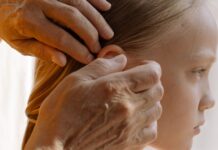
Stress is a natural part of life, but when it becomes chronic, it can take a serious toll on your body—especially your hair and skin. From sudden breakouts to hair thinning, the effects of stress are often visible. Understanding the link between stress and your appearance can help you take proactive steps to protect your hair and skin health.
The Science Behind Stress and Your Body
When you experience stress, your body releases cortisol, commonly known as the stress hormone. Cortisol prepares your body for a “fight or flight” response, increasing heart rate and blood pressure while temporarily diverting energy from non-essential functions. Unfortunately, hair growth and skin repair are among the functions that get deprioritized during stress.
Elevated cortisol levels can lead to increased oil production in your skin, clogged pores, and inflammation. For hair, stress can trigger conditions like telogen effluvium, where hair prematurely enters the shedding phase, or exacerbate scalp conditions such as dandruff and eczema. Chronic stress may even affect collagen production, which keeps your skin firm and youthful.
Hair Loss and Thinning
One of the most noticeable effects of stress on your appearance is hair loss. Stress-induced hair loss usually shows up a few months after a stressful event and can appear as general thinning or patchy bald spots. In some cases, stress can aggravate pre-existing conditions like alopecia areata, an autoimmune disorder where the body attacks hair follicles.
To minimize hair loss, it’s essential to combine stress management with good hair care practices. Gentle shampoos, scalp massages, and limiting heat styling can help reduce breakage. Incorporating a diet rich in protein, iron, and biotin can support stronger, healthier hair from the inside out. Some individuals also explore advanced treatments such as Rejuran, which uses polynucleotide-based injections to promote scalp health and stimulate hair growth.
Skin Breakouts and Irritation
Stress can make your skin more reactive. Hormonal changes driven by cortisol can increase sebum production, leading to clogged pores and acne. People prone to eczema or psoriasis may experience flare-ups during high-stress periods. Even fine lines and dull skin can become more noticeable because stress impairs your skin’s ability to repair itself overnight.
To combat stress-related skin issues, establish a consistent skincare routine. Use gentle cleansers and hydrating moisturizers to maintain your skin’s barrier. Adding antioxidant-rich serums or calming ingredients like chamomile or aloe vera can help reduce inflammation. For those struggling with frequent breakouts, consulting a dermatologist may be necessary to create a targeted treatment plan.
The Role of Lifestyle Choices
Your lifestyle significantly affects how stress impacts your hair and skin. Lack of sleep, poor diet, and minimal physical activity can intensify stress’s effects. Prioritizing self-care practices, such as regular exercise, adequate sleep, and balanced nutrition, helps your body cope better with stress. Foods rich in omega-3 fatty acids, vitamins A, C, and E, and zinc can boost skin repair and support hair health. Incorporating quality body care products into your routine, such as moisturizers and lotions, can also improve skin resilience and relaxation.
Mindful habits, such as meditation, yoga, or journaling, can reduce stress levels. These practices lower cortisol production and improve circulation, which benefits both your skin and hair. Simple routines like daily deep breathing or short walks outside can make a surprisingly big difference over time.
Professional Treatments and Support
Sometimes, managing stress’s impact on hair and skin requires professional help. Dermatologists and trichologists can identify specific triggers and recommend treatments like topical solutions, laser therapy, or supplements. For severe stress, a mental health professional can offer strategies to manage anxiety or depression, indirectly improving your physical health.
Additionally, incorporating stress-relieving self-care tools at home can be beneficial. For instance, using hydrating masks, scalp treatments, or soothing bath products can create a relaxing routine that both reduces stress and supports hair and skin health.
Final Thoughts
Stress may be unavoidable, but its visible effects on your hair and skin can be managed with the right strategies. By combining healthy lifestyle choices, consistent self-care, and professional guidance when needed, you can protect your hair and skin even during stressful times. Remember, taking care of your mental and physical well-being is not a luxury—it’s a necessary step toward glowing skin and healthy, strong hair.