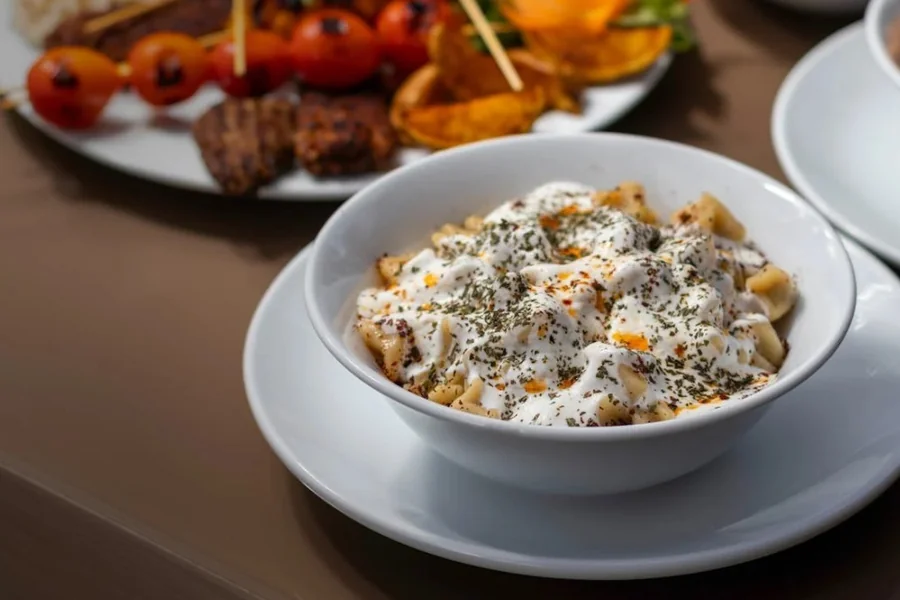
We’ve all been there. You’re standing on a street corner, stomach growling, scrolling through a “Top 10” list that was clearly written by an algorithm or someone who haven’t actually left their house since 2022. You end up in a place with neon signs and “authentic” decor that feels about as local as a gift shop at Heathrow. But in 2026, the game has changed. Being a “pro” diner isn’t about following the herd to the latest Instagrammable pop-up; it’s about the thrill of the hunt. It’s about finding those places that the locals protect like a state secret.
If you really want to eat like a pro, you have to look beyond the zone one bubble. One of the biggest secrets in the UK food scene right now isn’t even in London-it’s in Reading. Specifically, Clay’s Kitchen in Reading. This place is the ultimate “if you know, you know” destination. Tucked away in Caversham, it’s a world apart from your standard high-street curry house. They specialize in Hyderabadi home cooking, and trust us, it’s a revelation.
When you walk into Clay’s, you aren’t just a customer; you’re a guest in someone’s dream. The owners have built a cult following by sticking to their roots and ignoring every passing trend. Interestingly, the restaurant actually grew out of local support, moving from a small spot to a much larger home in a converted pub. Whether you’re diving into their legendary chicken ghee roast or their spiced venison bhuna, you can taste the heritage in every bite. A key takeaway is that “local” doesn’t mean “basic.” It means a deep, uncompromising connection to flavor that you simply can’t manufacture in a corporate kitchen.
Tip #1: Master the “Transportation Hub” Trick
Pros know that some of the best food is hidden near major transit links, but rarely inside them. With the Elizabeth Line making places like Reading feel like a suburb of London, the radius for a great dinner has expanded. Don’t be afraid of a thirty-minute train ride. Often, the rent is lower, the chefs are more experimental, and the portions are actually designed for human beings rather than for photos.
How to spot a “Real” Local Spot
- The “No Cobra” Rule: If a place serves locally brewed craft ales instead of generic mass-produced lagers, they care about their neighborhood ecosystem.
- The Menu Format: Avoid the laminated books with 200 items. Look for a one-page menu that changes with the seasons.
- The Staff: Do the servers know the regulars by name? If the staff looks like they’re having a good time, the food usually reflects that joy.
Tip #2: Embrace the Suburban Institution
There’s a common misconception that “suburban” equals “boring.” That’s a rookie mistake. In reality, the suburbs are where the most consistent, soul-warming food lives. These are the places that have survived recessions, pandemics, and changing fashions because they simply do things right.
Take the Curry Centre in Banstead, for example. This Surrey institution has been a fixture on the High Street for over thirty years. In the fast-moving world of hospitality, that kind of longevity is basically a superpower. While city-center restaurants open and close within eighteen months, the Curry Centre has spent decades perfecting the art of the neighborhood favorite.
What makes a place like this “pro-level”? It’s the consistency. You know that the spices will be balanced, the meat will be tender, and the welcome will be warm every single time. Notably, the team here has managed to blend traditional techniques with a contemporary touch without losing their identity. It’s the kind of place where you can take your parents for an anniversary or grab a solo midweek meal and feel equally at home. When you find a spot like this, you don’t just go once; you become a part of the furniture.
“Authenticity isn’t about the decor; it’s about the intention. If the chef is cooking for their neighbors, the food has a weight that you won’t find in a tourist trap.”
Tip #3: The “Last Hurrah” Strategy
A pro diner always has their ear to the ground regarding closures and “seasons.” In 2026, the restaurant industry is tougher than ever. Sometimes, the most exciting way to experience local cuisine is to catch a concept before it evolves-or disappears.
If you’re in the capital, you need to navigate the maze of Shoreditch to find Nest seafood restaurant in London. Located on Old Street, Nest is the definition of a “chef-led” passion project. They operate on a set-menu-only basis, focusing on a single theme or season at a time. Right now, they are in the midst of their “Seafood Season,” and it is breathtaking.
However, here’s the pro tip: Nest has announced they are closing their doors in late March 2026 after nine incredible years. They are calling it their “Last Hurrah.” To eat here now is to witness a team at the very top of their game, celebrating everything they’ve achieved before moving on to the next chapter. Interestingly, their menu features sustainably caught seafood from across the British Isles, handled with a level of precision that makes you wonder why you ever settled for a generic fish and chip shop.
Why Seasonality Matters
Eating at a place like Nest teaches you that food is a moment in time. You can’t get this specific dish in July, and you won’t be able to get it at all after March. That urgency creates a different kind of dining experience. It forces you to pay attention to the textures and the origins of your food.
The Pro’s Toolkit: How to Find Your Own Gems
How do you find these places without a guide? It takes a bit of legwork, but the rewards are worth it.
- Talk to the Bartenders: When you’re having a drink at a local pub, ask the person behind the bar where they eat when they finish their shift. They know the late-night spots and the “chef favorites” that never make it onto TripAdvisor.
- Follow the Suppliers: Look at who provides the meat or the veg for your favorite high-end spot. Often, those suppliers sell to smaller, less famous cafes in the same area.
- Read the Reviews-Carefully: Don’t look at the star rating. Look at the language. Are people talking about the “vibe” and the “decor,” or are they talking about the “depth of the sauce” and the “smoke from the tandoor”?
- Ignore the “Main Drag”: If a restaurant is right next to a major landmark, it doesn’t need to be good to stay full. Walk three blocks in any direction until the signage gets smaller and the menus are only in the local language (or English without pictures).
Conclusion: The Final Course
Experiencing local cuisine like a pro isn’t about being a snob. It’s about being curious. It’s about realizing that some of the best culinary experiences in the country are waiting for you in a converted pub in Caversham, a long-standing high street spot in Banstead, or a soon-to-close seafood sanctuary in Shoreditch.
Technology has made finding food easier, but it has also made the world feel a bit more homogenized. Every city starts to look the same when we all follow the same influencers. To break out of that loop, you have to be willing to take a chance.
Hospitality is a conversation between the kitchen and the diner. When you eat at a place that truly belongs to its community, you’re joining that conversation. You’re supporting independent creators and preserving the flavor of our neighborhoods. So, put down the “Top 10” list, step off the beaten path, and start eating with your eyes open. The best meal of your life is probably just a side street away.