

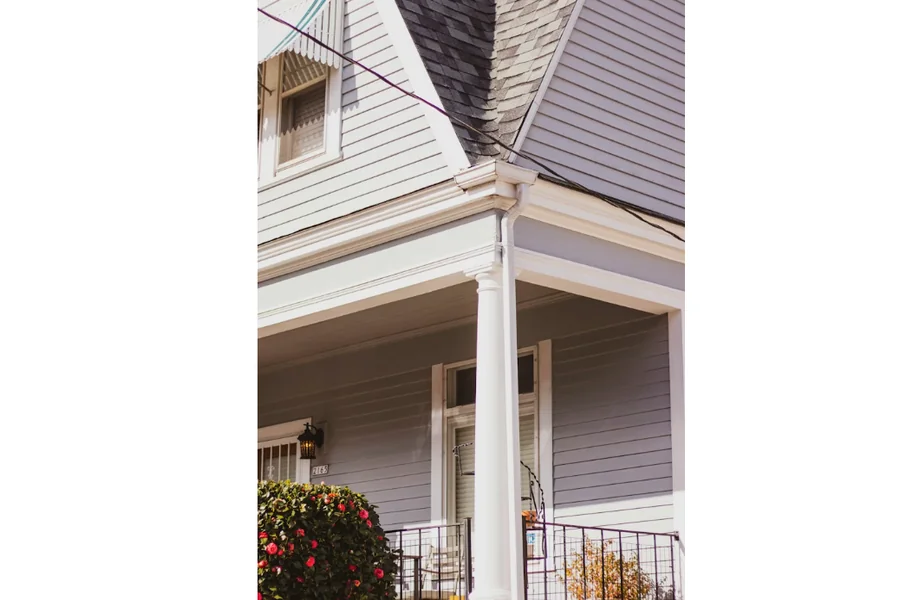
Your roof protects your home. Catching the warning signs early that your roof may need a replacement gives you the ability to act before a small problem snowballs into a full-blown disaster.
Here are five potential signs that your roof may need a replacement.
1. Age of Your Roofing System
The calendar doesn’t lie when it comes to your roof’s lifespan. Most asphalt shingle roofs, the kind you’ll find on the majority of homes, eventually show their age through natural wear and tear. The materials gradually break down as they face year after year of harsh weather conditions. Once your roof reaches maturity, it’s smart to start thinking about replacement even if everything looks fine from the ground. Metal roofs display remarkable durability, standing strong against the elements for extended periods, while wood shake roofs might show signs of aging sooner depending on your climate and maintenance routine. Here’s something worth remembering: the quality of installation significantly impacts your roof’s longevity. A roof installed with careful attention to detail will naturally last longer than one with corners cut during construction. Keeping good records of when your roof was installed helps you stay ahead of the game and plan accordingly.
2. Widespread Shingle Damage and Deterioration
Taking a close look at your shingles tells quite a story about what’s happening up there. The condition of your shingles serves as a clear indicator of your roof’s overall health. When shingles start curling at the edges or cupping in the middle, they’re essentially telling you they’ve had enough. These visible changes in shingle shape signal that the materials have reached the end of their protective capabilities. Spotting missing shingles? Those gaps are like open doors inviting water to waltz right in and wreak havoc on everything underneath. Each missing shingle creates a vulnerable spot where moisture can penetrate and cause damage to the underlying structure. Cracked or broken shingles mean the material has gone brittle and lost that flexibility it once had, potentially making it vulnerable to even more damage. If the shingles are damaged, you might contact Ace Roofing Company to get the roof replaced.
3. Sagging Roof Deck and Structural Issues
A sagging roofline serves as more than an unsightly blemish on your home’s appearance. It stands as a critical warning signal that your roof requires immediate attention and likely needs a complete replacement. The appearance of dips, waves, or noticeable depressions across your roofline indicates serious underlying issues with the roof’s structural integrity. The decking beneath your roofing materials has likely deteriorated due to prolonged moisture exposure or inadequate structural support throughout its lifetime. The roof deck functions as the foundational platform that supports all other roofing components, and its compromise leads to the deterioration of the entire roofing system. Water infiltration poses one of the most significant threats to roof decking. As moisture seeps in through tiny gaps or damaged areas, it silently attacks the wooden decking material, gradually diminishing its structural strength and stability. The degradation often occurs so gradually that homeowners might not notice until visible sagging appears. From within your attic space, these structural issues might manifest as visible bowing between the roof’s support rafters. The discovery of light filtering through roof boards or damp areas on the decking’s underside serves as unmistakable evidence of compromised roof integrity.
4. Persistent Leaks and Interior Water Damage
Water stains expanding across ceiling surfaces or trailing down interior walls may serve as clear indicators of roof failure. While an isolated leak might warrant a specific repair, the presence of multiple leaks or recurring problems in the same location typically signals widespread roofing system failure. Moisture infiltration creates a cascade of problems. It provides the perfect environment for mold growth, causes wooden structures to rot, and degrades insulation materials. These issues not only create potential health concerns but also lead to increased energy consumption and higher utility costs. The presence of persistent musty odors in attic spaces or upper floor areas often precedes visible water damage.
5. Rising Energy Bills and Poor Attic Ventilation
Your roof stands as a crucial component in your home’s energy efficiency system. When roofing materials begin to fail, the effects often appear first in your monthly utility statements. Unexplained increases in heating and cooling costs, despite consistent energy usage patterns, might indicate your roof’s diminishing effectiveness. The relationship between roof condition and attic ventilation becomes particularly significant as roofing systems age. A deteriorating roof often leads to compromised attic ventilation, creating a problematic cycle of heat and moisture retention. During warmer months, inadequate ventilation transforms your attic into a heat trap, creating an environment that accelerates shingle deterioration from beneath while making indoor spaces increasingly uncomfortable. The trapped heat radiates downward into living areas, forcing cooling systems to work harder and longer to maintain comfortable temperatures. In colder seasons, poor ventilation prevents proper moisture release, leading to condensation issues that can further damage roofing materials and reduce insulation effectiveness.
Conclusion
The identification of these critical warning signs enables timely intervention before minor issues escalate into devastating structural problems. The proactive approach to roof maintenance yields long-term benefits that extend far beyond immediate repair costs.