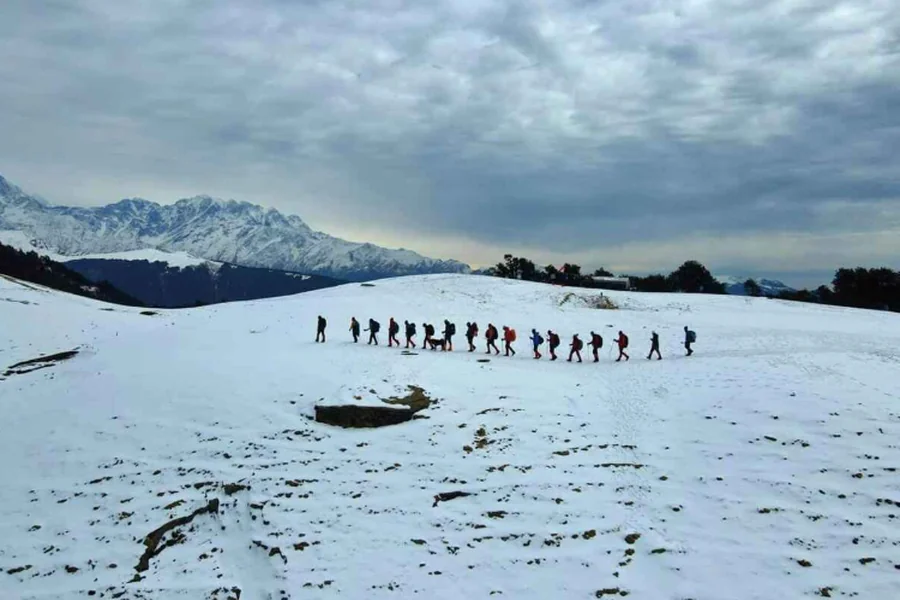
Trekking has steadily transformed from a niche activity into one of the most popular adventure sports in India. Over the last decade, more people have embraced trekking not only as a form of exercise but also as a way to explore nature, disconnect from technology, and find inner peace. The diverse geography of India, ranging from the snow-capped Himalayas to lush Western Ghats and serene deserts, provides unparalleled trekking experiences for beginners and seasoned adventurers alike.
The increase in domestic tourism and better access to remote regions have also contributed to the surge in trekking enthusiasts. Social media has amplified the allure of trekking spots, turning hidden trails into must-visit destinations. As a result, trekking has become a blend of physical challenge, cultural immersion, and visual storytelling, attracting thousands of travelers every year.
Historical Roots
Trekking in India is not a modern phenomenon. Historically, many regions in India relied on footpaths and trails for trade, pilgrimage, and migration. Routes like the Chadar Trek in Ladakh and the Markha Valley Trek have been traversed for centuries. These trails were part of local culture and tradition, often connecting villages and monasteries in remote areas.
Today, these historical routes have become trekking hotspots, combining adventure with a sense of heritage. Many trekkers are drawn not only by the challenge but also by the opportunity to explore ancient paths and witness centuries-old architecture. The historical significance of these treks adds depth and context to the adventure, enriching the overall experience.
Diverse Landscapes
One of the strongest reasons for the growing popularity of trekking in India is the range of landscapes available to explore. From the icy Himalayan peaks in the north to the dense tropical forests in the south, every region offers a unique style of adventure. The diversity ensures that trekking is never repetitive and always caters to different levels of difficulty, climates, and personal interests.
Key Highlights:
- Himalayas – High-altitude treks, snowy trails, glaciers, and rugged expeditions.
- Western Ghats – Tropical forests, monsoon treks, and abundant waterfalls.
- Southern & Fort Treks – Dense jungles, coastal hills, and historical fort climbs.
- Northeast & Deserts – Misty valleys, limestone caves, tribal villages, and sand dune treks.
Adventure and Fitness
Trekking is not only about exploring nature; it also offers significant health benefits. The activity improves cardiovascular fitness, strengthens muscles, and enhances endurance. Many individuals have started trekking as a way to stay active while enjoying scenic surroundings, making it a more enjoyable alternative to conventional workouts.
Furthermore, trekking requires mental resilience, discipline, and strategic planning. Hikers must manage their pace, ration supplies, and stay safe in unpredictable weather conditions. This combination of physical exertion and mental challenge makes trekking an engaging and rewarding activity, attracting people who seek both adventure and fitness.
Cultural Immersion
Trekking in India is also a cultural journey, since most trails pass through villages and settlements where traditions have been preserved for centuries. This interaction gives trekkers insight into local lifestyles, rituals, food, and artistry, making the experience much more than a physical adventure.
Key Experiences:
- Traditional Villages – Simple lifestyles, terraced farming, and community living.
- Festivals & Rituals – Local fairs, religious ceremonies, and cultural celebrations.
- Regional Cuisine – Authentic dishes like butter tea, millet meals, and spiced curries.
- Handicrafts & Hospitality – Weaving, woodcraft, homestays, and warm welcomes.
Affordable Tourism
Trekking in India is relatively affordable compared to other adventure sports or international travel. Many trekking routes can be explored with minimal costs, especially those in the Indian Himalayas or nearby hill stations. Accommodation options range from budget homestays to moderate campsites, making trekking accessible to a wide audience.
Additionally, the rise of organized trekking tours and adventure companies has made it easier for beginners to join expeditions without prior experience. These packages often include guides, food, and safety equipment, allowing more people to enjoy trekking without significant logistical challenges. Affordability combined with convenience has contributed to the steady growth of trekking enthusiasts.
Social Media Influence
The influence of social media cannot be ignored when discussing trekking’s rise in popularity. Platforms like Instagram, YouTube, and Facebook have turned trekking into a visual phenomenon. Stunning images of snow-laden trails, cascading waterfalls, and scenic sunsets motivate thousands of people to explore trekking themselves.
Many travel bloggers and influencers have showcased lesser-known trekking routes, making them accessible to a broader audience. This trend has not only increased awareness about trekking but also inspired a sense of adventure among younger generations. Social media has effectively turned trekking into both a personal challenge and a visually compelling experience worth sharing.
Eco-Tourism and Sustainability
As trekking gains popularity, there has been an increased focus on eco-tourism and sustainable practices. Organizations and trekking groups emphasize minimizing environmental impact, promoting waste management, and respecting local wildlife. This awareness encourages trekkers to enjoy nature responsibly and ensures that trails remain preserved for future generations.
Eco-friendly trekking also highlights the importance of protecting fragile ecosystems, especially in Himalayan regions where climate change and human activities threaten the environment. Sustainable trekking practices have become a critical part of the adventure experience, making trekkers more conscious of their ecological footprint.
Emergence of Specialized Treks
Another factor contributing to trekking’s popularity is the variety of specialized treks available today. Adventure enthusiasts can choose from high-altitude expeditions, night treks, waterfall treks, and even spiritual treks that combine hiking with meditation or yoga. This diversification allows people to pick trekking experiences that match their interests and fitness levels.
Specialized treks often include expert guidance, safety equipment, and planned itineraries, making them suitable for families, beginners, and experienced trekkers alike. The availability of such options has widened the appeal of trekking, ensuring that almost everyone can find a trail that suits their preferences.
Govt Aid & Infrastructure
The government has played an active role in boosting trekking by improving facilities and ensuring safe, eco-friendly practices. These efforts have not only attracted domestic travelers but also positioned India as a serious adventure tourism destination.
Key Developments:
- Infrastructure Development – Roads, base camps, eco-huts, and camping sites.
- Safety Standards – Training for guides, medical aid points, and rescue teams.
- Promotion Campaigns – Tourism board initiatives and global outreach.
- Conservation Efforts – Eco-tourism policies, waste management, and afforestation.
Popularity of Trekup India
Trekup India has emerged as one of the most reliable trekking organizers in recent years. With professional guides, structured itineraries, and safe practices, the company has built trust among both beginners and seasoned trekkers. Its Himalayan expeditions, in particular, are well regarded for combining adventure with comfort, making the experience memorable for all.
The brand’s rising popularity highlights the demand for organized trekking services in India. Trekup India stands out by offering eco-friendly operations, affordable packages, and consistent support to its participants. As a result, more adventure seekers are choosing it as their first step into the trekking world.
Conclusion
Trekking in India has evolved into a popular activity that combines adventure, fitness, culture, and natural beauty. Its rise can be attributed to diverse landscapes, affordable options, social media influence, and government support, among other factors. Whether in the Himalayas, Western Ghats, or northeast India, trekking provides an experience that is both physically challenging and spiritually enriching.
As more people seek meaningful outdoor activities, trekking is expected to continue growing in popularity. With its combination of adventure, cultural exposure, and natural splendor, trekking in India offers an unmatched way to connect with nature and oneself. For anyone looking to explore the country beyond its cities, trekking is now an essential journey of discovery and exhilaration.