

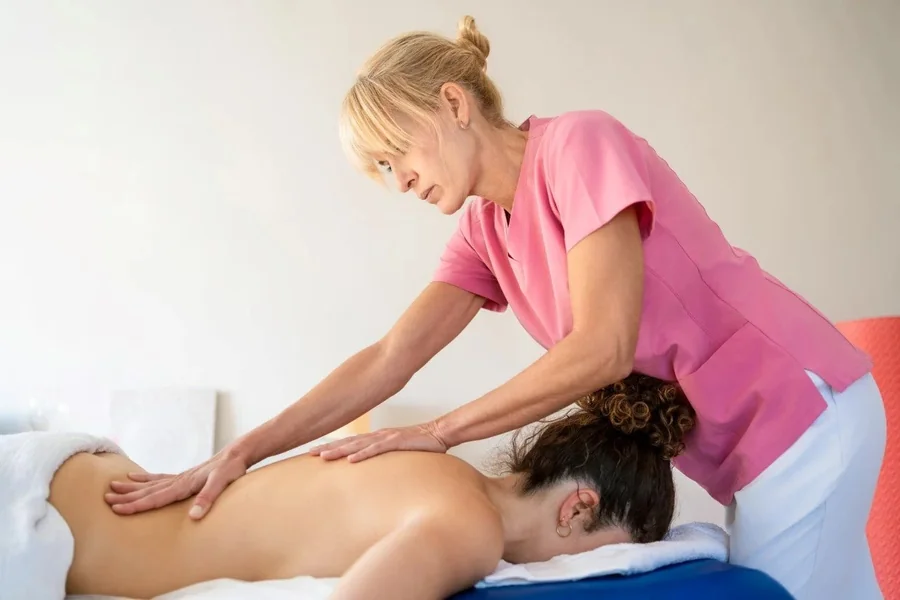
It is imperative to comprehend ways of posing appropriate questions at the beginning of a massage session in order to provide personalized, effective, and safe care. Athletes and relaxation oriented clients might visit the treatment room with totally different objectives, expectations and communication styles. Asking questions designed to fit your client can assist you in determining what it is that your client actually requires as well as building trust and understanding. You can offer superior results and increase professional confidence by getting to know how to change the strategy.
Understanding Athlete Requirements
Targeted and specific questions are needed by athletes since their bodies are prone to repetitive strain and certain injuries as well as tension associated with their performance. Inquiring them about their training routine, latest exercises and their chronic tightness makes you know what stress their muscles are experiencing. You can also enquire on whether they are about to embark on an event or recovering an event or addressing long term trends of overuse. Such narrow-focused questioning enables you to determine areas of priorities and whether you need more intensive or more therapeutic work in the course of the session. This skill is often emphasized in massage school Calgary programs because effective communication is as important as hands-on technique.
Questions which explore functional goals are also useful to many athletes. They do not necessarily just wish to be relaxed; they may desire to be able to have a greater range of movements, they may desire to have less soreness or be able to recover faster. The inquiry about the movements that feel limited or painful provides useful hints regarding the methods of using them. It is also useful in determining when a client requires referral to another healthcare provider. The more intentionally you question an athlete, the more effective your treatment planning becomes, which is a core concept emphasized in every reputable massage therapy school.
Knowing Relaxation Client Goals
The clients of relaxation are generally interested in eliminating the stress, calming down emotions, and relaxing as opposed to achieving performance-based outcomes. Being easy, simple, and focused on the personal well-being of the person should also be part of your questions. Inquiring about what they find to be the most calming, what level of pressure they prefer and whether they are chatty or better to remain silent assists in making the experience of the process relaxing. Most relaxation clients also like it when the asked questions focus on their daily stressors or favorite sensory factors like music or room temperature since such information will influence the general mood.
One should also consider the possibility of any physical tension they experience to be connected not with sport performance but with some lifestyle habits. As an example, sitting on a computer, bearing the stress on the shoulders, or sleeping with stiffness may cause discomfort in the muscles. The purpose of your questions should be to discern these general patterns without burdening them with technical terminology. This will enable the client to feel unlike being tested, thus making it possible to have an atmosphere where one can truly relax.
Building Rapport Through Communication Style
Mastering the appropriate style of questioning also requires the adjustment of the tone and rhythm. The language used with athletes might also react favorably to simple and direct terminology since these athletes are used to thinking about movement, injuries, and performance. They can enjoy expedited yet comprehensive conversations about intake that can make them get in treatment in an efficient manner. The style that they match makes them feel that you care about their goals and you know their needs.
Clients of relaxation also require a more soothing and caring style. Speaking in a low and clear voice with pauses and creating a space that they can be comfortable with or give preferences will make them relax. Reassurance is also important to many of the relaxation clients particularly when they are new to massage or do not know what to expect. A patient and friendly questioning style is beneficial in reducing stress prior to the start of the session.
Asking Questions to Grow Your Career
The flexibility of the questions not only makes the clients feel comfortable but also improves your future career success. Clients will tend to recommend your services to others when they feel that they understand you. Your special questions with athletes show expertise and professionalism. Thoughtfulness with relaxation clients creates emotional bond and trust. The two forms of communication contribute to the cementing of your image as a therapist who listens attentively.
The nature of your questions will, of course, change as your experience increases. You will also get to know what intake conversations yield better results and what details have the most significant impact. As you keep on working on this skill, you further cement your general practice and make sure that all clients experience personalized and meaningful care. That is one of the aspects, which makes a good practitioner stand out from an extraordinary one.