
Becoming a professional interior designer requires creativity and the right education. Enrolling in interior design programs is the best way to learn skills and knowledge to design aesthetically functional spaces.
Understanding the role of an interior designer
It is essential to understand what interior designers actually do before choosing your courses. Interior designers plan spaces that are visually pleasing and practical. Interior designers work on different areas, such as:
- homes
- offices
- restaurants
- public buildings
They collaborate with other professionals to make spaces alive, while ensuring safety and comfort. The professionals mentioned whom they worked with to make their project successful are:
- architects
- builders
- clients
To perform this job effectively, Interior designers need skills in:
- technical
- artistic
- communication
Introduction to interior design
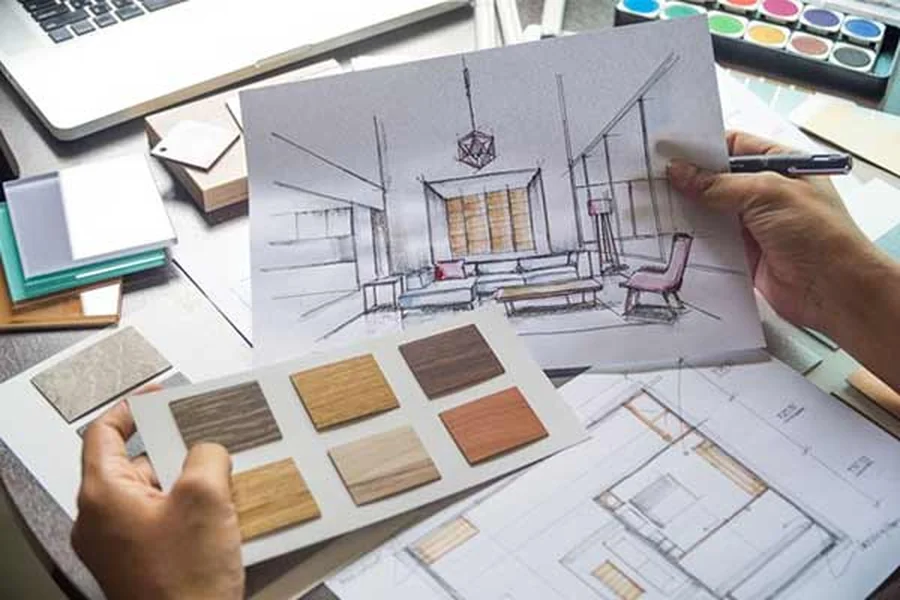
Introduction to interior design is the first step in every interior design education. The course will introduce the students to the basic principles of design, such as:
- balance
- harmony
- proportion
Students learn to:
- visualize and draw interior spaces
- select color palettes
- choose appropriate materials and furnishings
It is a foundation course that sets the stage for more advanced subjects.
Students often work on small projects to practice creating designs that fit specific themes and client needs.
Design principles and elements
Students dive deeper into the elements of the space in this course, such as:
- shapes
- textures
- lines
- colors
- look and feel
Students learn how to combine these elements to create an atmosphere that suits the purpose of the area, whether calm and cozy or energetic and bold.
The course helps students understand how to balance aesthetics and function.
Space planning and layout
Space planning teaches you how to make the most of a given area. Students learn how to:
- arrange furniture
- create traffic flow
- ensure accessibility
The course covers the safety standards, such as:
- measurements
- ergonomics
- building codes
Those details ensure designs are practical and safe.
Knowing how to plan spaces efficiently is what separates professional interior designers from hobbyists.
Materials and finishes
Every designer needs to understand materials, such as:
- flooring
- wall coverings
- textiles
- lighting fixtures
The course explores the quality of the materials used, such as:
- characteristics
- durability
- sustainability
Students make advanced options suitable to your design and budget of their projects. You will also learn how to mix textures and finishes to create depth and character in your designs.
Color theory
Color brings life to every space, and this course teaches how to use it effectively. Students study the psychology of color and how it affects:
- mood
- perception
You will also learn how to create color schemes that enhance a room’s purpose and visual impact.
Understanding color relationships is vital in creating spaces that feel balanced and inviting.
Lighting design
Lighting is a powerful design tool. The subject teaches how to use the following:
- natural and artificial light
- highlight features
- set moods
- improve functionality
You will explore different lighting elements:
- lighting types
- placement techniques
- energy-efficient options
Proper lighting design can completely transform how a space looks and feels.
Computer-Aided Design and 3D visualization
Technology has become a trend in modern interior design. Students learn how to create detailed floor plans and digital renderings in these two main courses:
- CAD
- 3D visualization
The tools help communicate ideas clearly to clients and contractors. Being skilled in design software is a must for today’s professionals, such as:
- AutoCAD
- SketchUp
- Revit
Professional practice and portfolio development
The course prepares you for real-world work. You will learn about:
- contracts
- project management
- budgeting
- dealing with clients
You will also build a professional portfolio showcasing your best work, an essential part of finding jobs or clients after graduation.
Conclusion
Completing these courses gives you the knowledge and skills to become a professional interior designer.