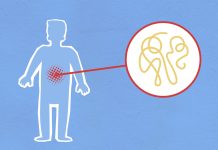
Gallstones are a common condition that can remain unnoticed for years without causing symptoms. However, when gallstones obstruct the normal flow of bile, they may lead to recurrent upper abdominal pain, particularly after meals, as well as nausea and vomiting. In some cases, gallstones can cause complications such as inflammation of the gallbladder, bile duct obstruction or pancreatitis.
A gallstone doctor can assess your symptoms, review your medical history and arrange appropriate investigations to confirm whether gallstones are responsible. Depending on the findings, treatment may involve monitoring, medication in selected situations or surgery. Persistent, worsening or severe abdominal symptoms should be assessed by a doctor rather than ignored. For more information about gallstone conditions and treatment, visit https://gallstonesdoctor.sg/.
How Does A Gallstone Doctor Diagnose Gallstones?
A gallstone doctor will usually begin by asking about your symptoms, including where the pain occurs, how long it lasts and whether it is triggered by meals. A physical examination may also help identify signs of gallbladder inflammation or other abdominal conditions. An abdominal ultrasound is commonly used to look for gallstones and assess the gallbladder. Blood tests may also be recommended to check for signs of inflammation or abnormalities affecting the liver and bile ducts.
If a bile duct stone is suspected, further imaging such as magnetic resonance cholangiopancreatography (MRCP) or other scans may be considered. In selected cases, ERCP (Endoscopic Retrograde Cholangiopancreatography) may be used when a stone is suspected or confirmed in the common bile duct and needs to be removed. The combination of symptoms, examination findings and investigation results helps determine the most appropriate treatment approach.
When Do Gallstones Need Treatment?
Not everyone with gallstones needs treatment. Gallstones that are found incidentally and do not cause symptoms may sometimes be monitored rather than treated immediately. However, recurrent episodes of upper abdominal pain, particularly after meals, may indicate symptomatic gallstones and warrant further assessment. A gallstone doctor may recommend treatment when gallstones cause repeated symptoms or complications such as acute cholecystitis, bile duct obstruction or gallstone pancreatitis.
The treatment approach depends on factors such as the location of the stones, severity of symptoms and the patient's overall health. If a stone has moved into the common bile duct, procedures such as ERCP may be considered to remove the obstruction. For suitable patients with symptomatic gallstones affecting the gallbladder, gallbladder removal surgery may be recommended to reduce the risk of further attacks and complications.
What Treatment Options Does A Gallstone Doctor Offer?
Treatment for gallstones depends on whether they are causing symptoms, where the stones are located and whether complications have developed. A gallstone doctor may recommend different approaches based on the individual diagnosis:
- Monitoring: Gallstones that do not cause symptoms may not require immediate treatment. Regular follow-up may be considered depending on the patient's circumstances.
- Laparoscopic cholecystectomy: For patients with recurrent symptoms or certain gallstone-related complications, keyhole surgery to remove the gallbladder may be recommended. The procedure involves several small incisions rather than removing individual stones.
- ERCP: If a gallstone has moved into the common bile duct, Endoscopic Retrograde Cholangiopancreatography (ERCP) may be used to access the bile duct and remove the obstructing stone.
- Treatment of complications: Conditions such as acute cholecystitis, bile duct obstruction or gallstone pancreatitis may require prompt treatment and, in some cases, a combination of procedures.
The appropriate approach depends on factors such as the patient's symptoms, imaging results, location of the stones and overall health.
What Happens If A Gallstone Blocks The Bile Duct?
Gallstones do not always remain within the gallbladder. A stone can sometimes move into the common bile duct, causing an obstruction that prevents bile from flowing normally into the intestine. This is known as a common bile duct stone or choledocholithiasis. Symptoms may include:
- Upper abdominal pain, which may be persistent or severe
- Jaundice, causing yellowing of the skin or eyes
- Dark urine or pale-coloured stools
- Nausea and vomiting
- Fever or chills, particularly if an infection develops
When a bile duct stone is suspected, a gallstone doctor may recommend blood tests and imaging to assess the bile ducts. ERCP (Endoscopic Retrograde Cholangiopancreatography) may be used when a stone needs to be removed from the common bile duct. During ERCP, an endoscope is passed through the mouth into the digestive tract to access the bile duct, allowing the doctor to remove the stone and relieve the obstruction.
When Gallstones Cause Complications
Although some gallstones remain symptom-free, others can lead to complications that require prompt medical attention. These problems can occur when a stone blocks the gallbladder outlet, common bile duct or pancreatic duct. Common gallstone-related complications include:
- Acute cholecystitis: A gallstone can block the gallbladder outlet, causing inflammation and persistent abdominal pain, often accompanied by fever or tenderness.
- Cholangitis: A blocked bile duct can become infected, potentially causing fever, chills, jaundice and abdominal pain. This requires prompt medical assessment.
- Gallstone pancreatitis: A stone can obstruct the area where the bile duct and pancreatic duct drain, triggering inflammation of the pancreas.
- Bile duct obstruction: A stone in the common bile duct can interfere with bile flow and may cause jaundice or abnormal liver function tests.
A gallstone doctor will assess the symptoms and investigation results to determine the appropriate treatment.
Conclusion
Gallstones can range from an incidental finding to a cause of recurring pain and serious complications. Understanding the symptoms, available investigations and treatment options, including surgery and ERCP, can help patients seek appropriate care.
If you are experiencing persistent abdominal pain, jaundice or other symptoms that may be related to gallstones, a consultation can help determine the next steps. Get in touch with us to arrange a visit at:
Alpine Surgical Practice – Dr Aaron Poh | Colonoscopy | Gallstones Removal Singapore
Phone: 632 7323