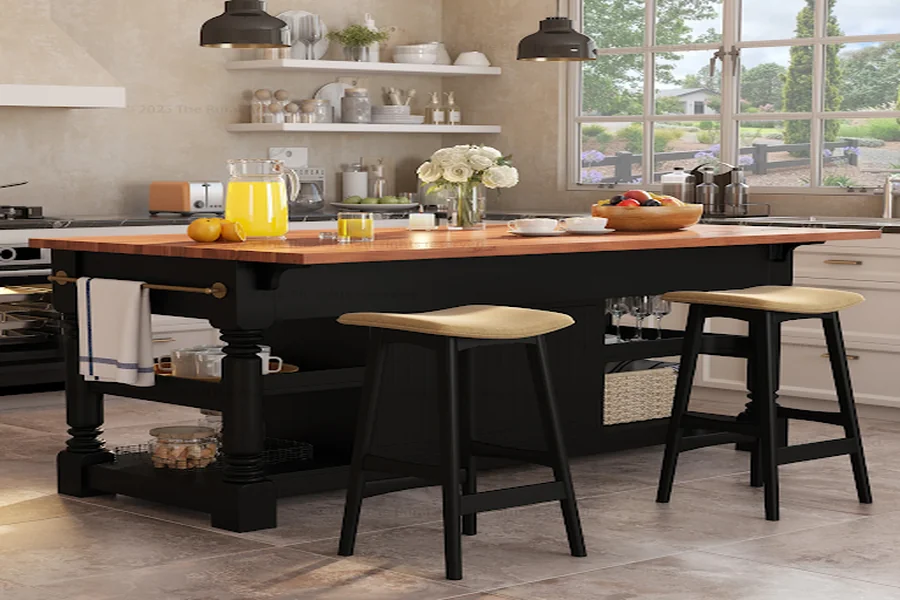
Thanksgiving has a way of bringing everyone into the kitchen. Someone is preparing the turkey, another person is arranging desserts, and guests often gather nearby while waiting for dinner. A well-planned kitchen island can give all this activity a natural center. Custom Kitchen Islands can be designed around the way a household cooks, serves, gathers, and uses the kitchen throughout the year.
The goal is not to fill the island with decorations or turn it into a temporary holiday display. A well-designed island should provide useful workspace while giving the kitchen a warm seasonal character. With natural materials, layered textures, and a few carefully selected accents, the kitchen can become a welcoming Thanksgiving hub.
Key Takeaways
- Plan the island around cooking, serving, storage, and guest movement.
- Keep enough open counter space available during Thanksgiving meal preparation.
- Use warm colors, natural textures, and seasonal accents to create a festive setting.
- Choose furniture and materials that can work well beyond the holiday season.
- Keep decorations simple enough that the kitchen remains comfortable and functional.
Start With an Island That Fits Your Thanksgiving Routine
Every family has its own way of celebrating Thanksgiving. Some families prepare many dishes from scratch; others stick to a few signature recipes and have a long meal. The size of the family determines the amount of space needed for work and sitting in the kitchen.
Think about how many people will be cooking at the same time. Think about how the ingredients are laid out, where the serving dishes are placed and how the guests will flow through the space. Storage can really help here, especially with baking tools, serving utensils, and cookware that you want to be able to grab easily.
Custom Kitchen Islands can offer greater flexibility for homeowners who want their island to suit the dimensions and daily use of their kitchen.
Create a Dedicated Holiday Meal Prep Space
Thanksgiving cooking can require several tasks at once. Chopping vegetables, preparing sauces, arranging side dishes, and plating food can quickly use up available counter space.
A dedicated holiday meal prep space can make the kitchen easier to manage. Keep frequently used tools within reach and divide the island into clear areas for preparation and serving.
A simple setup can include:
- A clear section for chopping and mixing
- A space for placing prepared ingredients
- Room for serving platters and bowls
- Accessible storage for utensils and cookware
- Seating positioned away from the main preparation area
Leaving some open counter space is also important. The island should help the cooking process, not become another crowded surface.
Bring Thanksgiving Kitchen Decor to the Island
Once the functional side is planned, seasonal styling can add warmth. Thanksgiving kitchen decor does not need to involve large displays or bright colors. Natural tones often create a more relaxed setting that works well with wood, stone, ceramic, and woven textures.
Try a small arrangement of pumpkins, dried foliage, candles, or seasonal branches. A wooden serving tray can hold smaller decorative pieces and keep them organized. Cream, rust, brown, muted green, and soft gold can create a classic autumn palette without making the kitchen feel overly themed.
A few well-selected details can make the island feel festive while leaving plenty of room for everyday use.
Bring Natural Warmth Into the Kitchen
Natural wood can give a kitchen a sense of warmth and character. Visible grain patterns, subtle color variations, and handcrafted surfaces can add depth without relying on excessive decoration.
Solid wood workstations can also suit kitchens where cooking and gathering happen side by side. Their natural appearance works well with seasonal colors and can transition easily into everyday kitchen styling after Thanksgiving.
Create a Rustic Serving Moment
Once the cooking is finished, the island can shift from preparation area to serving point. This transition is especially useful when guests are gathering around the kitchen before sitting down for dinner.
Rustic holiday food styling can bring together serving boards, ceramic platters, bread baskets, seasonal fruit, herbs, and linen napkins. Varying the height of serving pieces can make the display more visually interesting without filling every inch of the counter.
Keep hot dishes and frequently used serving pieces within easy reach. Decorative items can sit toward the edges or on a separate tray so they can be moved when needed.
Make Space for Guests
Thanksgiving kitchens often become gathering spots long before dinner is served. Family members may sit at the island, chat with the cook, or help with smaller tasks.
A comfortable layout should leave clear walking paths around the island. Stools can be moved away during food preparation and brought back when the kitchen shifts into a social space.
Think about the distance between the island, refrigerator, oven, and dining area. A little planning can make movement easier when several people are using the kitchen at once.
Layer Color, Texture, and Lighting
Lighting can change the feel of a kitchen once the sun begins to set. Warm pendant lights, candles, and soft accent lighting can create a cozy setting for an evening gathering.
Natural textures can add another layer. Linen runners, woven baskets, ceramic serving pieces, wood trays, and glassware can work together without making the island feel crowded.
These details also fit easily into fall kitchen decor, allowing the seasonal setting to remain useful before and after Thanksgiving.
Keep the Island Useful Beyond Thanksgiving
A kitchen island should have value long after the holiday meal is finished. Think about how the space will be used for breakfast, baking, casual meals, homework, entertaining, or everyday preparation.
Good Thanksgiving kitchen ideas often begin with this wider view. Seasonal details can be changed throughout the year while the island itself remains a useful part of the home.
Choose finishes and materials that can work with different decorating styles. A natural wood surface, for example, can suit autumn accents in November and look equally fitting with fresh greenery or lighter accessories in spring.
Conclusion: Create a Thanksgiving Kitchen With Lasting Character
A festive kitchen does not need to sacrifice function for decoration. The best setup gives cooking, serving, gathering, and seasonal styling their own space while keeping the overall room comfortable.
Furniture with natural materials, carefully crafted details, and flexible design can provide a lasting foundation for holiday gatherings and everyday life. The Rural Art reflects this design philosophy through handcrafted furniture that brings natural wood, customization, and traditional craftsmanship into contemporary homes.
When planning a Thanksgiving kitchen, consider how each piece will serve you after the holiday as well. A well-designed space should feel welcoming during a busy family gathering and remain useful throughout the rest of the year.
FAQs
How can I make my kitchen island the center of Thanksgiving?
Use the island for preparation, serving, and casual gathering while keeping clear areas for each activity. Seasonal decorations can add warmth without taking away useful counter space.
What should I put on a kitchen island for Thanksgiving?
Consider pumpkins, greenery, candles, wooden trays, ceramic serving pieces, seasonal fruit, and linen accents. Keep the arrangement low enough to preserve visibility across the kitchen.
How much counter space is needed for Thanksgiving meal preparation?
The amount depends on the number of dishes being prepared and how many people will be cooking. Extra open space is helpful for chopping, mixing, arranging ingredients, and placing serving dishes.
How can I decorate a kitchen island without making it cluttered?
Choose a limited color palette and group smaller decorations together on a tray. Leave open areas for cooking and serving, and use natural materials to create visual warmth without adding too many objects.