

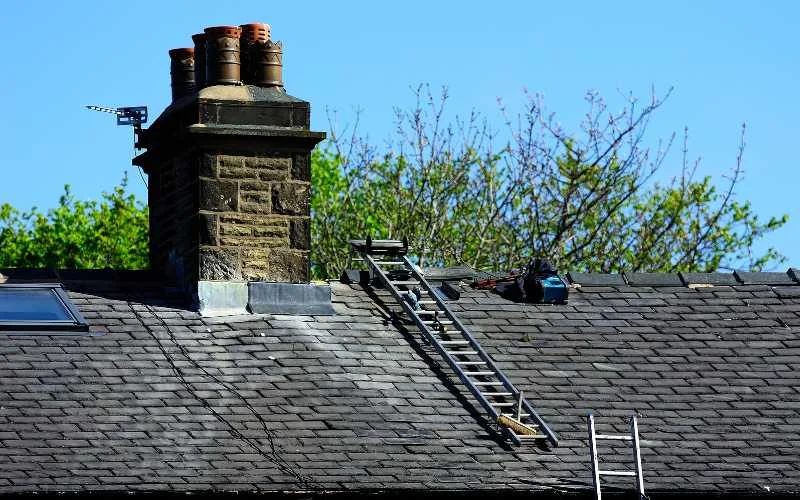
Chimney flashing is a critical component of any roofing system, designed to prevent water from seeping into the vulnerable intersection where the chimney meets the roof. Despite its importance, flashing leaks are a common issue that can lead to significant water damage, mold growth, and costly repairs if not addressed promptly. Understanding why flashing leaks occur around chimneys is essential for homeowners who want to protect their property and maintain the integrity of their roof. This article delves into the main causes of chimney flashing leaks, how to identify them, and what steps can be taken to prevent future problems.
What to Expect in This Guide
Common Causes of Chimney Flashing Leaks
Chimney flashing leaks are often the result of a combination of factors that compromise the watertight seal between the chimney and the roof. One of the most frequent causes is improper installation. If the flashing is not correctly fitted or sealed, gaps can form, allowing water to penetrate. Over time, even well-installed flashing can deteriorate due to exposure to harsh weather conditions such as heavy rain, snow, and fluctuating temperatures. The expansion and contraction of roofing materials can cause the flashing to warp or pull away from the chimney, creating entry points for water. Additionally, the use of substandard materials or shortcuts during installation can accelerate the breakdown of flashing, making leaks more likely. Homeowners should be aware that even small cracks or separations can lead to significant water intrusion, especially during storms or periods of heavy rainfall.
The Role of Weather and Aging
Weather plays a significant role in the longevity and effectiveness of chimney flashing. Constant exposure to the elements causes flashing materials to expand and contract, which can eventually lead to cracks or separations. In regions with frequent freeze-thaw cycles, water can seep into tiny gaps, freeze, and expand, further widening the openings and exacerbating leaks. Over time, the metal used in flashing may corrode or rust, particularly if it is not made from high-quality, weather-resistant materials. Aging roofs are especially susceptible to flashing leaks, as the surrounding shingles and roofing materials may also degrade, reducing their ability to support and protect the flashing. Regular inspections are crucial for identifying early signs of wear and tear before they develop into more serious problems. Homeowners in Montgomery, for example, often rely on a Roofing Company Montgomery AL to assess and maintain their chimney flashing, ensuring that minor issues are addressed before they escalate.
Signs That Your Chimney Flashing Is Leaking
Detecting a chimney flashing leak early can save homeowners from extensive water damage and costly repairs. One of the most obvious signs is water stains on the ceiling or walls near the chimney, which often indicate that water is seeping through the roof and into the home. Dampness or mold growth in the attic around the chimney area is another red flag that should not be ignored. In some cases, homeowners may notice a musty odor or peeling paint near the chimney, both of which can be symptoms of ongoing moisture intrusion. During heavy rain, water may even drip visibly from the ceiling or run down the walls, signaling a severe leak. It is important to remember that leaks can sometimes be hidden, causing damage to insulation, framing, and other structural components before any visible signs appear. Regular roof inspections, especially after severe weather events, can help catch these issues early and prevent further damage.
How Poor Maintenance Leads to Leaks
Neglecting regular maintenance is a leading cause of chimney flashing leaks. Over time, debris such as leaves, twigs, and dirt can accumulate around the base of the chimney, trapping moisture and accelerating the deterioration of flashing materials. Moss and algae growth can also contribute to the breakdown of both the flashing and the surrounding roofing materials. Without periodic cleaning and inspection, small issues like cracked caulk or loose flashing can go unnoticed and worsen with each passing season. Homeowners who fail to address minor repairs promptly may find themselves facing much larger problems, including structural damage to the roof and interior water damage. Scheduling annual roof inspections and promptly addressing any signs of wear or damage can significantly extend the life of chimney flashing and reduce the risk of leaks.
Quick Tips for Preventing Flashing Leaks
Keeping your chimney flashing in good condition starts with regular visual inspections, especially after storms. Look for signs of rust, separation, or cracked sealant. Promptly clear away debris and ensure that water can flow freely off the roof. If you notice any issues, contact a professional roofer to assess and repair the flashing before leaks develop. Preventative maintenance is the most effective way to avoid costly water damage and preserve the integrity of your roof.
Professional Repair and Replacement Options
When chimney flashing leaks are detected, professional repair or replacement is often necessary to restore the watertight seal and prevent further damage. Roofing contractors typically begin by thoroughly inspecting the flashing and surrounding roofing materials to determine the extent of the problem. In some cases, minor repairs such as resealing joints or replacing damaged sections of flashing may be sufficient. However, if the flashing is severely corroded, warped, or improperly installed, a complete replacement may be required. This process involves removing the old flashing, preparing the area, and installing new, high-quality materials that are properly sealed and integrated with the existing roof. Professional roofers have the tools and experience needed to ensure that the new flashing is installed correctly and will provide long-lasting protection. Homeowners should always choose a reputable contractor with a proven track record of quality workmanship to ensure the job is done right the first time.
Conclusion
Chimney flashing leaks are a common but preventable problem that can lead to significant water damage if not addressed promptly. Understanding the causes of these leaks, such as improper installation, weather-related wear, and lack of maintenance, is essential for homeowners who want to protect their property. Regular inspections, timely repairs, and professional installation are key to maintaining a watertight seal around the chimney and preventing costly damage. By staying vigilant and addressing issues as soon as they arise, homeowners can ensure the longevity of their roof and the safety of their home for years to come.