North Carolina drew 146,000 total residents between July 2024 and July 2025. That’s the highest in the U.S., even surpassing states like Texas and Florida.
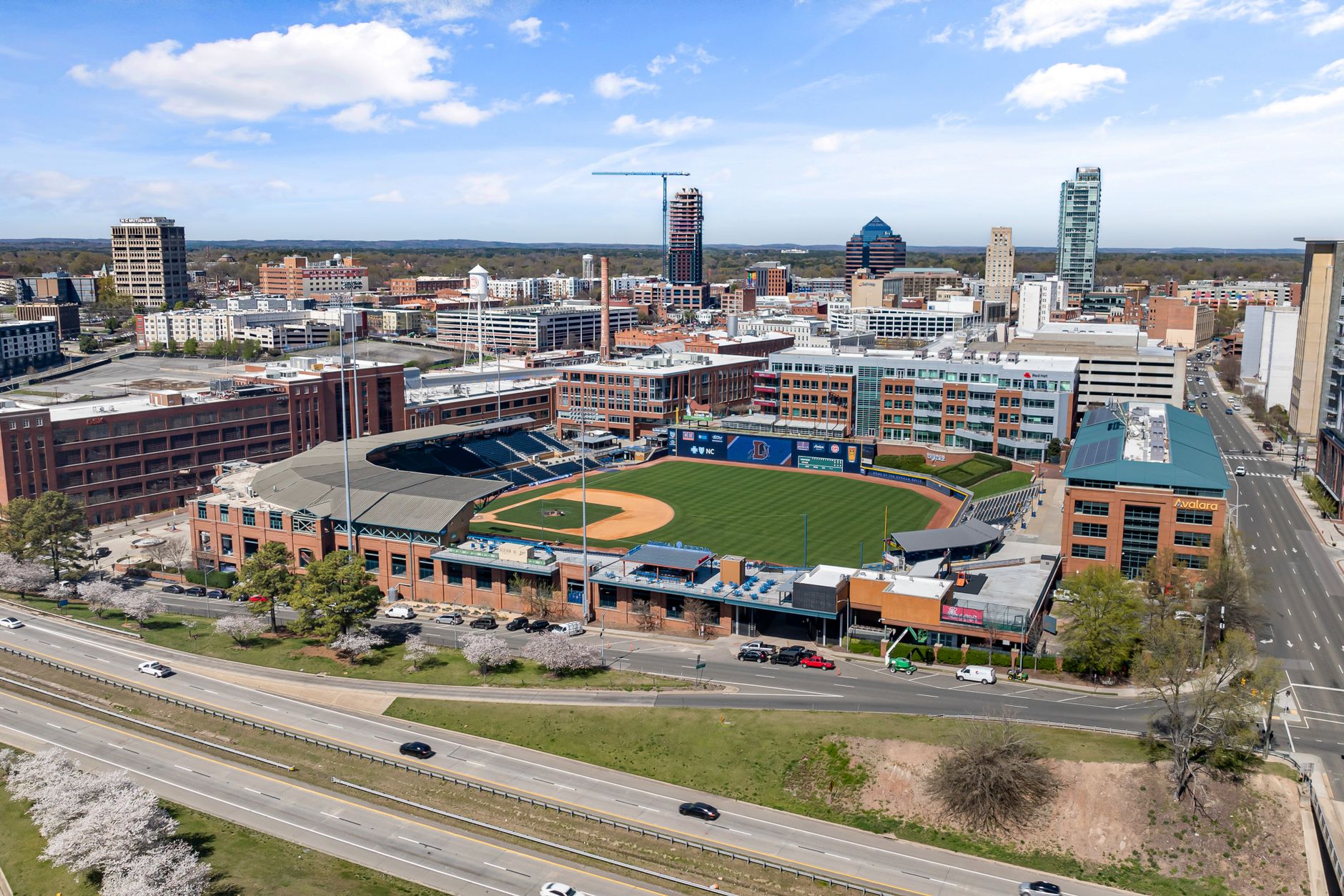
The Triangle sits at the center of that story. The Raleigh metro now holds roughly 1.66 million people, per Triangle Market Intelligence's June 2026 analysis. Wake County adds about 66 residents every day, a pace that shows up in the Census data, not just local projections. Three years of data show capital flowing in from New York, San Francisco, and D.C. This isn't a temporary pandemic boom, but a permanent structural shift.
Research Triangle Park: The Billion-Dollar Anchor
Every savvy investor wants to know one thing: what will hold up demand? In Raleigh-Durham, the answer is infrastructure and employment. Research Triangle Park is one of the densest concentrations of life sciences and technology employment in the country.
Biogen just committed $2 billion to expand its manufacturing operations at RTP. That’s the company's largest facility footprint anywhere, backed by three decades of prior investment already totaling $10 billion.
This is a multi-decade capital commitment from one of the world's largest biotech companies, not a lease renewal.
On the infrastructure front, RDU International Airport is projected to serve 15.5 million passengers in 2025. It hit a record 80 nonstop destinations and is now accelerating a major multi-year infrastructure expansion.
The National Association of Realtors named Raleigh one of its 10 Housing Hot Spots for 2026. NAR assessed Raleigh across 10 forward-looking indicators covering income growth, job trends, migration, and the alignment between home prices and local earnings. On that last metric, Raleigh outperforms the national average.
Lower Entry Prices Have Generated Strong Demand
The pricing data is where the timing argument sharpens for outside investors. Raleigh’s median home price is $420,000, up just 0.01% year-over-year. Homes remain on the market for 43 days, according to the latest housing market data. Durham moved along the same lines, down 1.2% to a median of $425,000, with homes selling in 31 days.
Roughly 65% of NC homes are closing below list price, with a statewide sale-to-list ratio of 97.6%. Prices adjusted to elevated mortgage rates while the structural demand drivers, like payroll, migration, and infrastructure, stayed intact.
The multifamily sector is thriving, too. Since the start of 2024, Raleigh-Durham has filled more than 19,400 apartment units. In comparison, the region recorded 19,900 net move-ins in total from 2020 to 2023.
Competition is about to tighten. New supply is contracting sharply, with roughly 6,000 units projected for delivery in 2026. That’s less than half of around 13,000 completions in 2024.
Vacancy is also plateauing near 8%. As the trend continues, the available inventory will continue to shrink.
Cap rates are holding between 5.25% and 5.5%, per the same Northmarq data, which are good numbers for a market like Raleigh.
Raleigh Offers Stability and Attractive Pricing
Raleigh's cost of living runs 6% below the national average, per Redfin. This matters because professionals relocating from Manhattan and San Francisco bring high salaries and have strong purchasing power. That money directly fuels momentum in rentals and home sales.
Out-of-state buyers need current ground-level data before they act. Pricing across Raleigh's sub-markets shifts quickly. What looks like a single cohesive market from the outside is actually several distinct ones. Browsing through Raleigh real estate on Houzeo will give out-of-state investors an idea of days-on-market, price trends, and sale-to-list ratios across different neighborhoods.
Zillow forecasts a 1.4% appreciation in Raleigh home values from September 2025 to September 2026. Norada Real Estate projects a 4% trajectory building through 2026 into 2027. Neither number sounds dramatic, but that steadiness is the point. Steady, reliable growth in a market with sensible entry prices draws investors – especially from overpriced coastal markets.
The data trail leading to Raleigh-Durham has not gone cold. Three years ago, it pointed toward a hot, competitive market. Today, those same indicators point to something even more important – an area where the price dynamic has improved, where employment has held steady, and where supply pressures are finally starting to abate. For patient capital seeking structural depth over short-term momentum, that combination rarely surfaces twice.