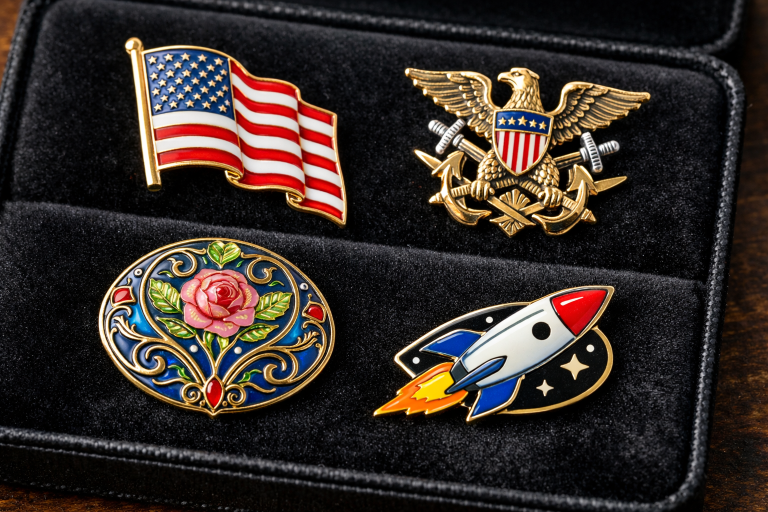
Lapel pins trace their history back thousands of years, revealing a journey defined by symbolism, artistry, and social significance. Their evolution from simple decorative ornaments to powerful icons in fashion, politics, and the military speaks to their perennial appeal. Today, their diverse applications and rich heritage continue to captivate collectors, designers, and professionals alike. Whether worn on a blazer or exchanged as a token of belonging, custom lapel pins play an influential role in contemporary culture.
Much more than accessories, lapel pins carry stories of achievements, affiliations, and personal expression. Understanding their origins and transformations offers insight into how such small items have come to symbolize large ideas, honor, status, identity, and even political convictions. Their story bridges ancient craftsmanship with today’s emphasis on individuality and style.
Ancient Origins
Techniques essential to lapel pin creation date back to around 1800 BC in ancient Egypt. Craftsmen embedded vibrantly colored stones and glass into metal bases, producing ornamental items displayed in temples and tombs. These early decorative badges were not just objects of beauty but also symbols of status within society. As these practices spread, both ancient Greece and China embraced and evolved the art, giving rise to techniques such as cloisonné enamel during China’s Yuan Dynasty in the 13th century.
These intricate methods laid a foundation for centuries of metalwork refinement. Today’s lapel pins trace their design lineage to these civilizations, testifying to their enduring role in embellishing attire and conveying significance. Art historians agree that the ability to inlay colored materials was considered a mark of masterful craftsmanship, reflecting both skill and cultural storytelling.
Military Significance
The transformation of the lapel pin from an artisan's item to a vital military insignia underscores its historical significance. During the American Civil War, soldiers adorned their uniforms with pins indicating rank, regiment, and allegiance. This trend expanded during World War I, as nations recognized the value of using pins to recognize acts of heroism and foster unit cohesion. The tradition persists in modern militaries, pins mark achievements, missions, and special affiliations, serving as tangible proof of service and honor among military personnel.
Beyond formal recognition, lapel pins help build camaraderie. They establish a visual connection among those who have served similar tours or belong to the same units, reinforcing group identity even long after active duty has ended. Similar practices exist globally, as evidenced by the exchange of summit or operational pins among allied forces.
Political Symbolism
Political symbolism is another sphere where the lapel pin has left a profound mark. In the United States, the small flag lapel pin emerged prominently during the Vietnam War. President Richard Nixon helped popularize its use, setting a precedent that subsequent politicians continue to follow. Wearing the pin became a subtle yet powerful statement of patriotism, especially during public events and speeches.
The September 11 attacks in 2001 amplified the pin’s role in representing unity. Politicians and public figures wore the flag pin as a statement of national resilience and steadfastness. As a result, the lapel pin is now widely regarded as a symbol of allegiance to the nation’s values, used across political divides and social settings. This practice of using small items to communicate deeper political identity can be seen in various democracies around the world.
Fashion Accessory
The influence of lapel pins in fashion has expanded significantly over the past few decades. Designers and celebrities have reimagined the pin as a statement piece that can transform even the simplest blazer or jacket. Stars like Timothée Chalamet have been seen following at major events, underlining the accessory’s newfound place in men’s jewelry. This shift reflects a broader cultural movement in which personalized accessories are favored for their ability to express individuality and style.
From enamel pins featuring pop culture references to bespoke pieces matching luxury suits, the lapel pin now serves as both a conversation starter and an extension of the wearer’s persona. This versatility ensures its enduring presence on runways, red carpets, and city streets alike.
Collectible Items
Lapel pins are not just worn; they are also traded and cherished by collectors worldwide. Events such as Disney pin trading highlight how these small objects create dedicated hobbyist communities. For many enthusiasts, the appeal lies in the hunt for rare designs or limited edition releases that commemorate special events, characters, or locations.
Collectors often use these pins to tell stories, showcase personal interests, or mark milestones. The hobby’s growth has spurred online forums, conventions, and dedicated trading events, ensuring that the culture of collecting remains vibrant and inclusive.
Modern Manufacturing
The durability and diversity of contemporary lapel pins are due, in no small part, to advances in manufacturing technologies. Methods such as die-striking, laser engraving, and enamel filling enable designers to achieve intricate detail and consistency at a large scale. Regions like Kunshan, China, remain global centers of production, but there has also been a resurgence in small-scale, artisanal crafting.
This blend of modern precision and traditional artistry supports a dynamic market. Some buyers seek cost-effective bulk orders for events or organizations, while others turn to independent artisans for unique, hand-finished pieces. The ease of customization and speed of manufacturing ensure lapel pins remain accessible and relevant to a wide audience.
Conclusion
Lapel pins have charted an extraordinary journey across centuries, cultures, and continents. From their early days as markers of wealth and artistry in ancient societies to their present-day roles in military, political, and fashion contexts, they have remained meaningful touchstones of identity and expression. Their adaptability to modern trends, coupled with timeless appeal, ensures that lapel pins will continue to captivate and inspire for generations to come.