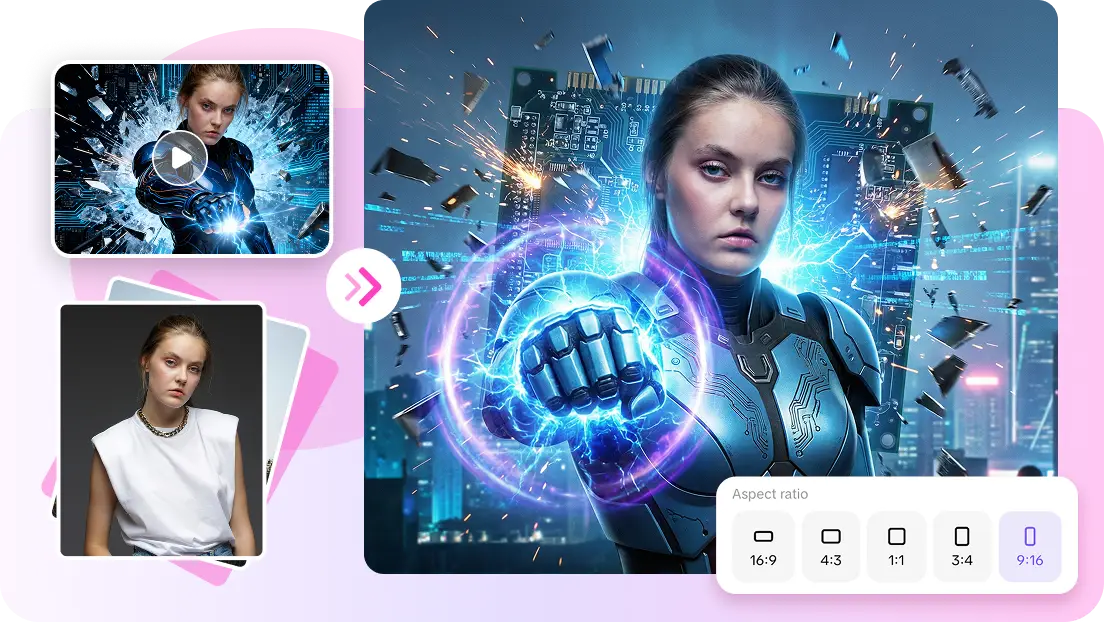
In today’s world of video production using AI, synchronization between media layers is critical. There should be a seamless integration between voice, movement, and sound for realism. When not properly aligned, it results in less engagement and less storytelling power. Pippit has a wide range of advanced generation tools for creators to create coherent, multimedia content. It makes it easy to make manufacturing processes for marketing and storytelling initiatives. Visuals and Audio are kept in time with integrated systems. The foundation improves the quality of content and the user experience on platforms.
Understanding Multi-Layer Synchronization in AI Video Production
Multi-layer synchronization: Synchronization of voice, motion, and sound in one timing system. It provides for the coordination of audiovisual components in unified sequences. Elements include dialogue timing, motion curves, facial animation, and layers of environmental sound. Latency, frame mismatch, and varying audio mapping from scene to scene are challenges. AI systems use predictive alignment and generative correction models to address these problems. Seedream introduces enhanced scene consistency and temporal stability within intricate video synthesis pipelines. This reduces AV drift to a great degree.
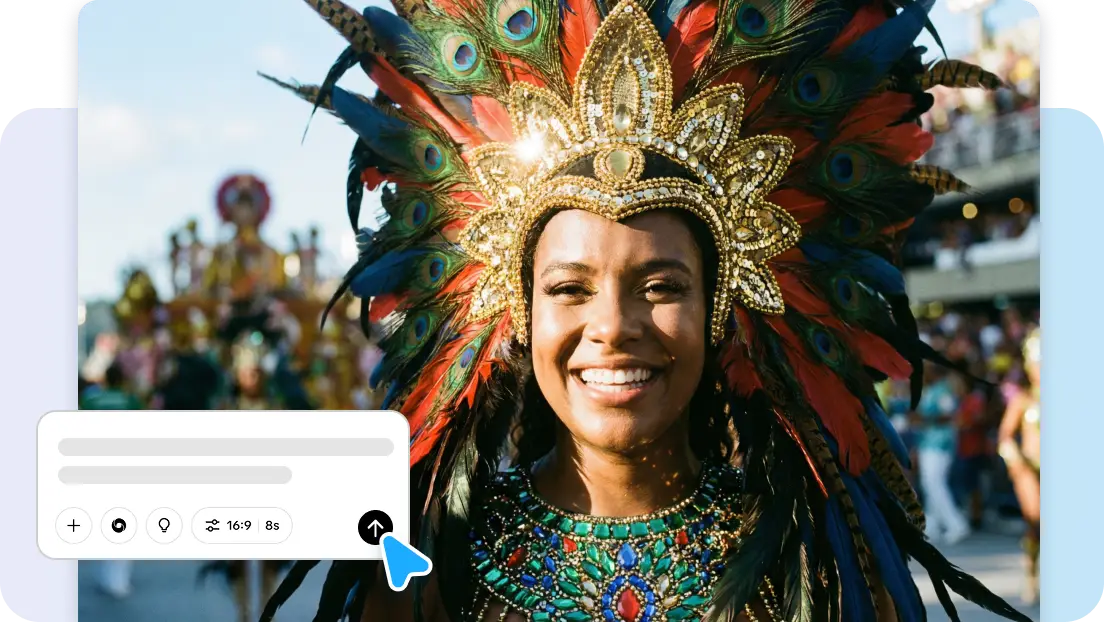
How Seedance Creates Unified Audio-Visual Experiences
With simultaneous generation of audio and visuals, you can achieve the perfect temporal alignment in outputs. Dialogue synced with lip movement for natural flow of expression. Backgrounds and scene changes are enhanced with environmental sounds. Motion timing is flexible to the spoken content and changes of scenes. The identity is stable, and visual drift is avoided from scene to scene. Seedance enables unified processing, which enables efficient combining of audio and visual streams. This helps to develop a unified and compelling storyline in complex situations.
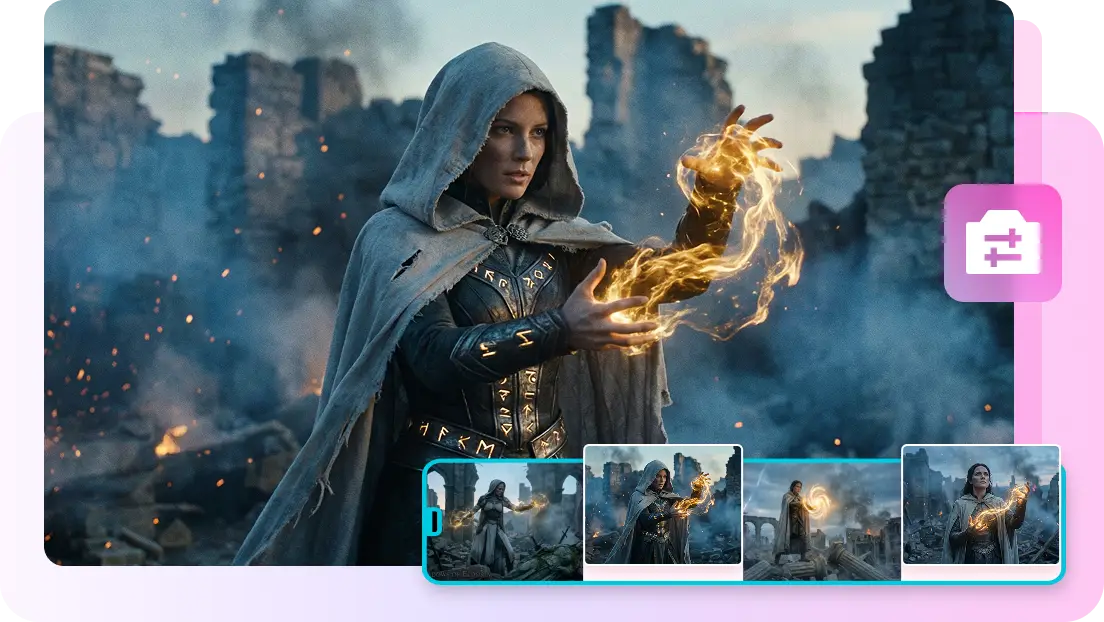
Steps to Align Voice, Motion, And Sound Seamlessly Using Seedance Output
Step 1: Set up the synchronization workspace
- Sign up for Pippit and access the platform.
- Navigate to the “Video generator” tab from the dashboard.
Step 2: Create synchronized multimedia output
- Select an AI model, such as Dreamina Seedance 1.0, Dreamina Seedance 2.0, or Dreamina Seedance 2.0 Fast, for your video generation.
- Enter a detailed text prompt describing how you want the video to look.
- If you want, you can also select the video length, language, subtitles, and aspect ratio in which you want to generate your video.
- Click “+” to upload reference images or videos from your device, phone, Dropbox, or a link. You can also select assets if you don’t have reference media.
- Once everything is added, click “Generate”.
Step 3: Verify sync quality and publish
- Select your video, and press the Play button to watch it.
2. To make changes, click “Edit more” and use the tools to crop, stabilize, adjust colors, or change the background.
- Or, click “Download” to save your AI-generated video to your device, or “Publish” to share it directly on your social media.
Core Synchronization Elements in AI Video Systems
Synchronization architecture in AI video systems combines multiple aligned components working together. Each element contributes to cohesive audio-visual performance across scenes.
- Dialogue Coordination: Coordinates dialogue with visual action to increase clarity of communication.
- Motion Timing: Naturally synchronizes movements for a much greater scene realism.
- Ambient Sound Placement: Understands how to place effects with environments to make them more immersive.
- Facial Animation Matching: Helps to match facial movements and promotes real interaction.
- Scene Rhythm Control: Controls the rhythm in the scene and prevents time inconsistencies.
- Audio-Visual Cohesion: All layers of content are integrated and sleek to view.
- Timing Precision Control: ensuring the accuracy of dialogue and frame alignment of the movements.
- Environmental Sync Layer: plays background effects in sync with the actions in the scene smoothly.
Optimizing Prompts for Better Synchronization Results
Action-specific instructions enhance the accuracy of video generation and alignment of scenes. AI can decipher the intent with the help of clear dialogue and sound cues. Pointing out when the movement will occur will help to make the movement smoother when transitioning between sequences. Descriptive prompts help to make sense of the needs of visual storytelling. By using structured language, ambiguity and the quality of synchronization are minimized. Adding environmental context increases realism in generated scenes. Prompt refinement enables more control of pacing and camera movement. To ensure consistency in multi-shots, reference assets can be used. Iterative changes help to enhance product quality and reduce rework time. Balanced prompts are used to keep a balance between audio and visuals. The uniformity of terminology is helpful to the understanding of the model between scenes. With the assistance of style references, aesthetic direction works. Sequencing adds to the development of the story. Long-form coherence is enhanced by continuous optimization. Layering is added to control complex scenes, and is prompted. The output structure is more apparent, and it minimizes confusion. Improved formatting makes for more consistent clips generated.
How Pippit Supports End-to-End Multimedia Video Creation
The Pippit provides a central management system for multimedia workflow. It makes it easier to manage assets and reduces production time. Flexible editing tools allow for changing between layers of visuals and audio. The more efficient the generation, the less manual work for creators. Rapid publishing on platforms with multi-channel. Integrated modules seamlessly move from creation to export. Real-time preview enhances the precision of the synchronization while reviewing. The collaboration structure can be used successfully with large projects. There is greater productivity across campaigns with asset reuse. Automation frees up time from repetitive tasks and ensures consistency. Scalable architecture is required for high-volume production needs—easy navigation of tools with the user interface. With optimization of the performance, rendering and export are quick. Cloud processing makes scaling up to bigger projects easier. Optimized pipelines optimize export time. Integrated libraries are a way to avoid creating duplicate content. Feedback loops are used to ensure continued improvement in quality.
Conclusion
Today, video quality standards have changed to meet the expectations of synchronization between voice, motion, and sound. The use of multimedia elements that are aligned adds to the impact of storytelling and viewers’ engagement. Pippit simplifies creation workflows for cohesive video production processes. Proper sync can save editing time and ensure uniformity of the product—platform-efficient content creation with integrated tools. Final results provide for an immersive audiovisual experience with a variety of audiences. Prompt design is key to alignment, and thoughtful prompt design can enhance alignment accuracy in generated work. The more it can be refined, the more quality production outcomes will be. To this day, AI systems are making quick strides in their synchronization capabilities. Creators have better control of the flow and pacing of a story. Workflows are designed to enable scalable content strategies for digital media. In the industry, advanced synchronization models are still rapidly developing. Strong alignment tools increase engagement on platforms. Optimization using data improves the metrics of content performance. From now on, it’s all a matter of automation and creative control balance.