

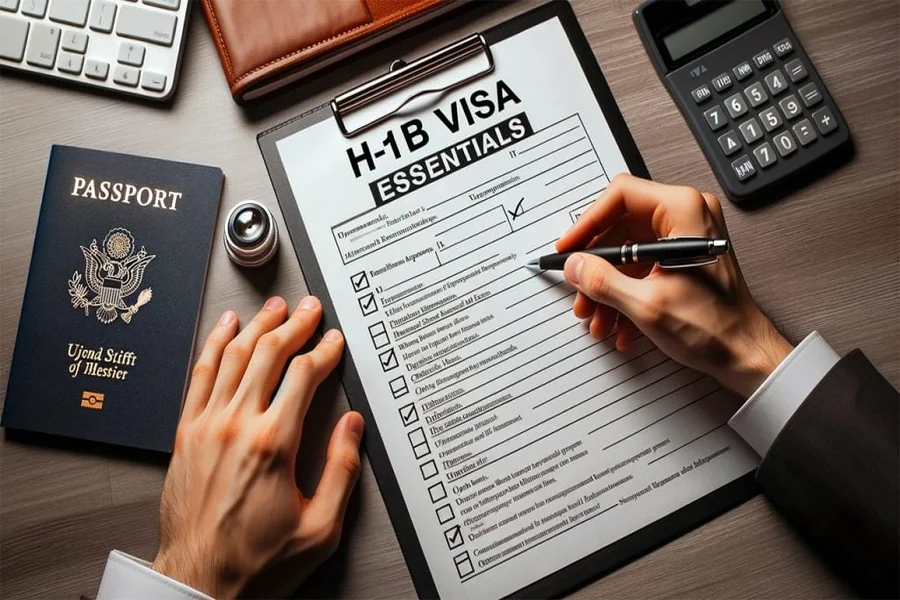
Applying for an H-1B visa is a crucial step for many highly skilled workers hoping to build a career in the United States. The process is marked by tight deadlines, strict eligibility requirements, and growing competition, making it essential to approach each stage with preparation and awareness. Whether you are a first-time applicant or looking to maximize your chances in a lottery-based system, strategic planning can significantly improve your odds of a successful outcome.
This guide provides actionable tips to help you present a strong case for your candidacy and stay ahead of regulatory changes. From gathering documentation to managing your online presence, these strategies can help you navigate the complexities of the H-1B application and stand out in a crowded applicant pool.
1. Ensure Eligibility
Before beginning your H-1B application, it is essential to confirm that you meet the core eligibility criteria. Applicants are expected to possess at least a bachelor’s degree or an equivalent qualification in a field relevant to the prospective job. Additionally, you must secure a bona fide job offer from a U.S. employer offering a position classified as a ‘specialty occupation.’ Fulfilling these prerequisites lays the groundwork for a smooth application process.
2. Prepare a Strong Labor Condition Application (LCA)
The Labor Condition Application is more than a formality; it assures the U.S. Department of Labor that hiring overseas talent will not displace American workers or drive down local wages. The LCA must accurately reflect the prospective employee’s job title, worksite location, and the salary being offered. Thoroughness at this stage helps avoid delays and compliance concerns, which could otherwise jeopardize your application.
3. Gather Comprehensive Documentation
A successful H-1B petition requires a variety of supporting documents. These commonly include academic credentials, professional licenses, a detailed resume, and job descriptions. Mismatches or gaps in documentation can create doubt during review, causing hold-ups or outright denials. By gathering all required paperwork in advance and ensuring its consistency, you reduce the risk of unnecessary complications.
4. Submit Applications Within Designated Timeframes
The H-1B process operates on a tight annual window, with a capped number of visas allocated each year. Applications exceeding the cap are rejected without review, making timing critical. Ensure that all forms and documents are prepared well before the filing window opens, and submit your materials as early as possible to maximize your chances.
5. Maintain Consistency Across All Application Materials
Inconsistencies in job titles, employment dates, or personal details across your application materials invite scrutiny and can trigger requests for additional evidence or even denials. Carefully review every form and supporting document for accuracy and uniformity to demonstrate reliability and professional attention to detail.
6. Stay Informed About Policy Changes
The immigration landscape for H-1B visas is constantly evolving. Recent years have seen notable changes, such as the introduction of a wage-based lottery and enhanced scrutiny of social media accounts. Staying aware of these shifts can help you adapt your strategy and address new requirements proactively.
7. Seek Professional Guidance When Necessary
Applying without expert guidance is possible, but immigration attorneys and consultants can provide invaluable insights, especially for complex or unusual cases. They offer an up-to-date understanding of current laws, help preempt common pitfalls, and increase the likelihood of your petition being approved. This resource from the American Immigration Council can help you learn more about choosing the right legal assistance.
8. Prepare Thoroughly for the Visa Interview
The visa interview is often the final major hurdle in the H-1B process. Approach it as you would a high-stakes job interview: anticipate common questions, provide crisp and honest answers, and have all supporting materials ready for review by the consular officer. Practice builds confidence and ensures that your responses are consistent with the written record.
9. Monitor Your Online Presence
Given the rise of social media checks as part of the application review process, it is essential to audit your online profiles for professionalism and accuracy. Make sure your public-facing content aligns with the details on your application, and remove or privatize anything that may raise unnecessary concerns or appear inconsistent.
10. Plan for Potential Delays
Despite your best efforts, unexpected processing delays can occur at any point in the H-1B process. Safeguard your plans by allowing extra time between each stage of the process, and maintain open communication with your sponsoring employer. Proactive scheduling helps to reduce stress and gives you more flexibility to address issues as they arise.
Securing an H-1B visa requires both preparation and adaptability. By focusing on eligibility, documentation, timing, and ongoing compliance, you can significantly enhance your chances of a favorable decision. Staying proactive and leveraging professional resources when needed will help you stand out in the competitive H-1B application process.