

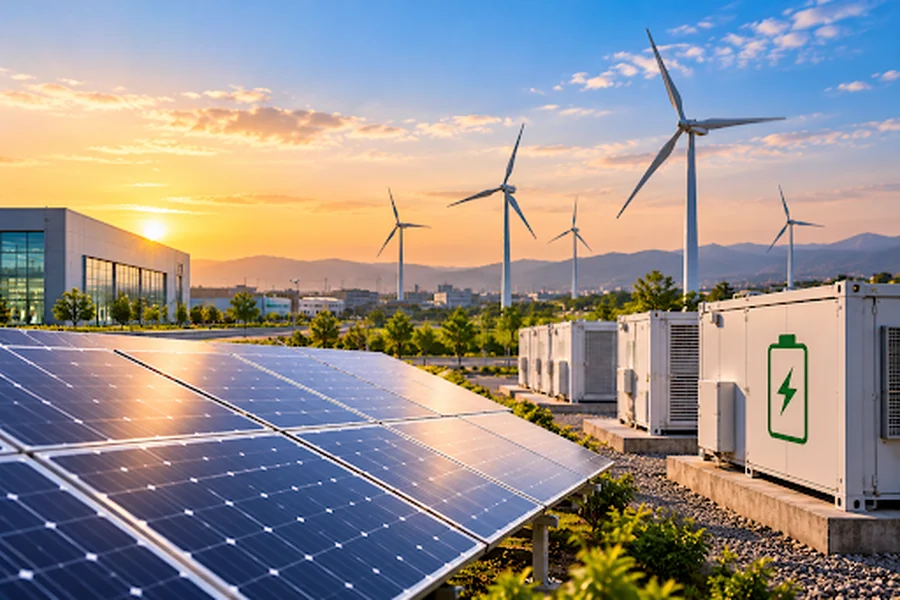
Businesses rely on electricity to operate equipment, maintain production, and serve customers. Renewable energy systems can meet these needs through solar power, wind energy, and energy storage. Solar panels and wind turbines generate electricity, while batteries help manage its availability. Understanding their different roles allows businesses to compare supply options, estimate costs, and plan investments. The most suitable approach depends on electricity demand, site conditions, operating schedules, and the commercial arrangements available to each business.
How Solar Energy Systems Work for Businesses
Solar photovoltaic panels convert sunlight into direct current electricity. Inverters convert this power into alternating current that commercial equipment can use. Businesses can use solar power for lighting, machinery, cooling, refrigeration, and other operations during normal operating hours each week.
Companies can install panels on rooftops, available land, or parking structures. Output depends on sunlight, shading, orientation, and system capacity. Businesses can also purchase electricity from off-site solar projects through grid connections and commercial supply arrangements available in their region.
How Wind Energy Systems Work for Businesses
Wind turbines use moving air to turn blades connected to a generator. Businesses may install turbines at suitable sites or purchase electricity from off-site wind projects through power purchase agreements, subject to transmission rules and local procurement arrangements in India.
Wind output depends on local wind resources, turbine characteristics, and seasonal conditions. In India, eligible businesses can access off-site projects through open-access arrangements. Developers such as Hero Future Energies serve commercial and industrial customers through renewable electricity projects and solutions.
The Role of Energy Storage in Business Power Systems
Battery energy storage systems store electricity generated from renewable sources or supplied by the grid. They help businesses manage electricity demand and improve energy flexibility. Here are their key functions:
- Electricity Storage: Batteries store electrical energy as chemical energy during charging and convert it back into electricity when needed.
- Peak Demand Management: Stored electricity can support business operations during high-demand periods, potentially reducing peak electricity charges.
- Backup Power Support: Properly designed battery systems can supply electricity to essential equipment during power outages, depending on system capacity.
- Energy Supply Flexibility: Batteries allow businesses to use stored renewable electricity when solar or wind generation is low.
- Smart Energy Management: Monitoring software controls battery charging and discharging based on electricity demand, availability, and operating requirements.
Businesses should assess battery capacity, efficiency, lifespan, and maintenance requirements before investing. Choosing a suitable storage system can help improve electricity management and support daily business operations.
How Solar, Wind, and Energy Storage Work Together
Solar panels generate electricity when sunlight is available, while wind turbines produce power under suitable wind conditions. Batteries help align electricity availability with demand. Energy management controls coordinate charging, discharge, on-site generation, and grid purchases around operational priorities and demand.
Consider a manufacturing facility using rooftop solar during daytime production. It could supplement supply through a contracted off-site wind project, with electricity delivered through the grid. Batteries could discharge during selected high-demand periods, depending on system design and electricity tariffs.
Benefits of Solar, Wind, and Energy Storage for Businesses
Renewable energy can help businesses manage electricity costs, improve energy flexibility, and reduce emissions. Here are the key benefits:
- Electricity Cost Management: Solar and wind power may reduce electricity expenses, depending on generation costs, tariffs, and contract terms.
- Energy Supply Flexibility: Battery storage allows businesses to store electricity and use it when demand or electricity prices increase.
- Reduced Carbon Emissions: Solar and wind power produce low operational emissions, helping businesses meet their environmental and sustainability targets.
- Long-Term Cost Visibility: Renewable power agreements may provide predictable electricity pricing, helping businesses plan budgets and manage future expenses.
Businesses can compare potential savings with installation, maintenance, and operating costs to make informed decisions about renewable energy investments.
On-Site vs Off-Site Renewable Energy Solutions
Businesses can choose between on-site and off-site renewable energy solutions based on their electricity needs and available space. On-site systems, such as rooftop solar panels, generate electricity directly at business premises. These systems can reduce dependence on purchased grid electricity during generation hours.
Off-site solutions let businesses buy renewable electricity from projects elsewhere through power purchase agreements. This approach suits companies with limited installation space or higher electricity needs. Businesses should compare installation costs, maintenance responsibilities, contract terms, and applicable regulations before selecting an option. Both approaches can support long-term energy planning and sustainability goals.
How to Choose the Right Renewable Energy Solution for Your Business
Selecting a renewable electricity solution starts with understanding business energy needs and future demand. Decision-makers should compare technical feasibility, costs, and operational responsibilities. Here are the key factors to consider:
- Electricity Consumption Patterns: Review electricity bills and operating schedules to understand daily demand, peak usage, and future energy requirements.
- Site Conditions and Resources: Assess available space, sunlight, and wind conditions to determine suitable on-site or off-site solutions.
- Project and Operating Costs: Compare installation, financing, maintenance, and equipment replacement costs against expected electricity savings.
- Grid Access and Regulations: Check permits, grid connectivity, metering requirements, and applicable open-access regulations in India.
- System Capacity and Performance: Choose suitable generation capacity and assess battery storage needs based on electricity demand and backup requirements.
- Developer Experience: Evaluate technical expertise, project delivery, and service support when considering developers.
Businesses should also compare ownership models and power purchase agreements. Reviewing contract terms, costs, and maintenance responsibilities helps select solutions that support operational needs and future growth.
Conclusion
Solar power, wind energy, and battery storage serve different but complementary business electricity needs. Solar panels convert sunlight into power, wind turbines use moving air, and batteries release stored electricity when required. Together, these technologies can support cost management, supply planning, and environmental goals. Businesses evaluating renewable energy systems should review demand patterns, site resources, procurement rules, and project economics. Comparing technical options and contractual responsibilities helps companies choose practical investments that support daily operations and long-term growth.