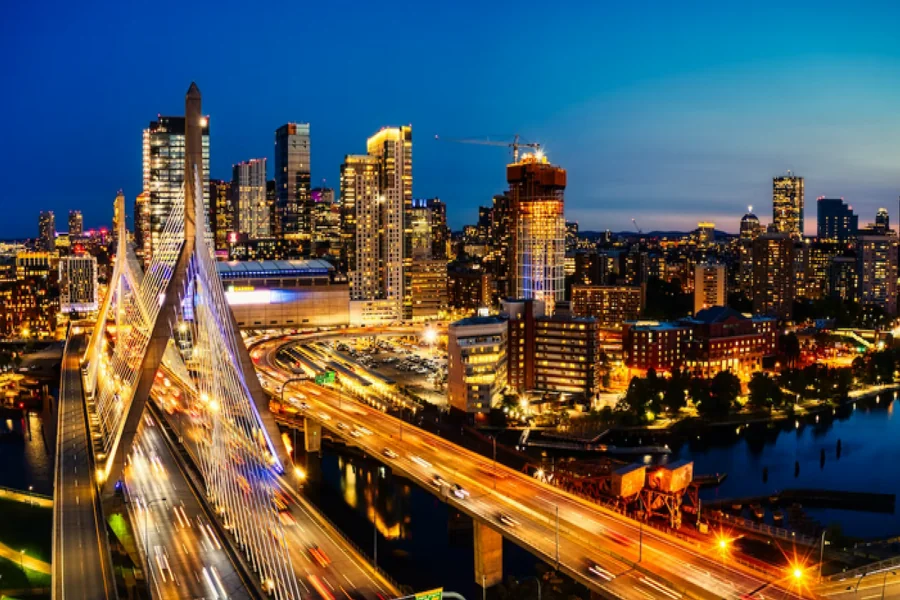
Boston has a rare mix of old-world charm and modern business energy. It is a city where historic buildings sit near sleek innovation hubs, where waterfront venues are minutes away from universities, hotels, restaurants, and conference spaces. For companies planning meetings, retreats, product launches, team-building events, networking receptions, or client celebrations, corporate events in Boston can offer both professionalism and personality.
A successful corporate event is more than a room, a schedule, and a catered meal. It is an experience that reflects the company’s goals, values, and audience. Whether the purpose is to educate, celebrate, connect, or inspire, the setting and planning choices can shape how guests feel long after the event ends.
Boston gives planners plenty of options. The city works well for formal conferences, intimate executive dinners, creative brand activations, employee appreciation events, and large-scale corporate gatherings. With the right approach, a business event in Boston can feel polished, practical, and memorable.
Why Boston Is a Strong Choice for Corporate Events
Boston is one of the most established business and academic cities in the United States. It attracts professionals from healthcare, biotech, finance, education, technology, law, real estate, and professional services. This makes it a natural destination for corporate gatherings of many sizes.
The city is also easy to position as both a work destination and an experience destination. Guests can attend meetings during the day, then enjoy historic neighborhoods, waterfront views, cultural attractions, and standout dining in the evening.
A City With Business Credibility
Boston carries a strong professional reputation. It is home to major companies, world-class hospitals, respected universities, research institutions, startups, and financial firms. Hosting an event in the city can give the gathering a sense of importance and credibility.
For industries such as healthcare, education, technology, and life sciences, Boston can feel especially relevant. Many attendees may already associate the city with innovation, leadership, and expertise.
Easy Access for Regional and National Guests
Boston is accessible for guests coming from New England, New York, Washington, D.C., and other major business markets. Logan International Airport is close to downtown, which can make travel easier for out-of-town attendees.
The city also has public transportation, rideshare options, walkable districts, and a large supply of hotels. For corporate planners, this can simplify logistics and reduce some of the friction that often comes with business travel.
A Variety of Event Settings
One of Boston’s biggest advantages is venue variety. Companies can choose from hotel ballrooms, conference centers, rooftop spaces, museums, waterfront venues, private dining rooms, university spaces, coworking venues, historic buildings, and modern event halls.
This flexibility makes it easier to match the venue to the tone of the event. A leadership retreat may need quiet sophistication. A product launch may need a modern, high-energy space. A client dinner may need a private room with excellent food and service.
Common Types of Corporate Events in Boston
Corporate events can serve many purposes. Before choosing a venue or planning details, it helps to define the event’s main goal.
Conferences and Seminars
Boston is well-suited for conferences and seminars because of its strong business infrastructure. Hotels and meeting centers often provide breakout rooms, audiovisual support, catering, registration areas, and guest accommodations.
A seminar may focus on professional education, industry updates, leadership development, or client training. For these events, comfort and clarity matter. Attendees need good seating, clear sound, reliable technology, and enough breaks to stay engaged.
Team-Building Events
Team-building events help employees connect outside normal work routines. These may include workshops, problem-solving activities, cooking classes, escape rooms, volunteer projects, harbor cruises, or outdoor challenges.
In Boston, team-building can be shaped around the city’s personality. A group might explore historic neighborhoods, enjoy a food tour, attend a sports-themed activity, or gather near the waterfront.
The best team-building events feel purposeful without being forced. Employees should leave feeling more connected, not simply entertained.
Executive Retreats
Executive retreats are usually smaller and more focused. They may involve strategic planning, leadership discussions, board meetings, or confidential business conversations.
For this kind of event, privacy and comfort are important. A quiet hotel suite, private meeting room, boutique venue, or nearby resort-style setting may work well.
Boston also offers access to high-end dining and cultural experiences that can complement the retreat without making it feel overly formal.
Product Launches and Brand Events
Product launches and brand events need energy, creativity, and strong visual appeal. The venue should support the brand story and make it easy to showcase the product or message.
A company launching a technology product may choose a sleek modern venue. A lifestyle brand may prefer a stylish loft, gallery, or rooftop. A healthcare or biotech company may want a professional setting that feels credible and polished.
Corporate events in Boston can benefit from the city’s blend of innovation and tradition, especially when the event is designed with the audience in mind.
Networking Receptions
Networking events work best when the environment encourages conversation. Guests need enough space to move comfortably, food and drinks that are easy to enjoy while talking, and a layout that avoids crowding.
Boston offers many venues for networking, from private restaurant spaces to rooftop lounges and waterfront locations. A good reception should feel relaxed but organized.
Employee Appreciation Events
Employee appreciation events are a chance to recognize hard work and strengthen company culture. These events may include dinners, awards, holiday parties, milestone celebrations, or casual social gatherings.
The tone can range from elegant to playful. What matters most is that employees feel genuinely valued.
Choosing the Right Venue
The venue sets the stage for the entire event. It affects guest comfort, flow, transportation, budget, and overall impression.
Match the Venue to the Purpose
A formal conference needs a different space than a casual team outing. A client-facing dinner needs a different atmosphere than an internal strategy session.
Before booking, planners should ask what the event needs to accomplish. Is the goal to impress clients? Educate attendees? Celebrate employees? Encourage networking? Build trust among teams?
The venue should support that purpose naturally.
Consider Location and Transportation
Boston traffic and parking can be challenging, so location matters. A venue near hotels, public transportation, or the airport may be more convenient for guests.
For local attendees, consider whether the venue is easy to reach after work. For out-of-town guests, proximity to hotels and airport transportation can make a big difference.
If parking is limited, planners should provide clear instructions or arrange transportation when possible.
Check Capacity and Layout
Capacity is not only about fitting the number of guests. The room should feel comfortable for the event style.
A seated dinner, theater-style seminar, cocktail reception, and workshop all require different layouts. There should also be room for registration, food service, presentation equipment, sponsor tables, or networking areas if needed.
A space that is too small feels crowded. A space that is too large can feel empty and low-energy.
Review Technology Needs
Corporate events often depend on technology. Presentations, microphones, screens, livestreaming, Wi-Fi, lighting, video playback, and hybrid meeting tools may all be needed.
Before booking a venue, confirm what equipment is included and what must be rented separately. Reliable audiovisual support is especially important for conferences, panels, product launches, and executive presentations.
Planning Food and Beverage
Food plays a major role in guest experience. It does not have to be overly elaborate, but it should be thoughtful, well-timed, and suitable for the event.
Choose Menus That Fit the Format
A breakfast seminar may need coffee, tea, fruit, pastries, and light protein options. A full-day conference may need lunch, snacks, and steady beverage service. A networking reception may call for passed appetizers and easy-to-handle food.
A seated dinner can feel more formal and relationship-focused, while stations or buffet-style service can encourage movement and conversation.
Account for Dietary Needs
Corporate events should consider dietary restrictions and preferences. Vegetarian, vegan, gluten-free, dairy-free, and allergy-conscious options are often necessary.
Asking guests about dietary needs during registration can help avoid last-minute stress.
Use Food to Reflect Boston
When appropriate, local touches can make the event feel more connected to the city. Seafood, New England-inspired dishes, local bakery items, or regional desserts can add personality without distracting from the business purpose.
Small details like this help guests remember the event as distinctly Boston.
Creating a Strong Guest Experience
A corporate event begins before guests arrive and continues after they leave. Every touchpoint matters.
Clear Communication Before the Event
Guests should know where to go, when to arrive, what to expect, how to dress, and whether they need to bring anything.
For larger events, send reminders with parking details, public transportation tips, check-in instructions, agenda highlights, and contact information.
Clear communication reduces confusion and helps guests arrive prepared.
Smooth Check-In
A slow or disorganized check-in can create a poor first impression. Registration should be easy to find, staffed properly, and supported with clear signage.
For conferences or larger receptions, digital check-in tools can help keep the line moving. For smaller events, a warm greeting and printed guest list may be enough.
Comfortable Flow
Good event flow helps people feel at ease. Guests should know where to sit, where to find food, where sessions are located, and when transitions happen.
If the event includes multiple rooms, signage and staff guidance are important. If there is networking time, the space should make conversation easy.
Thoughtful Timing
Timing affects energy. Long sessions without breaks can make people tired. Too much unstructured time can make an event feel loose. A packed agenda can feel overwhelming.
The best corporate events balance content, conversation, food, breaks, and movement.
Adding Boston-Inspired Experiences
One advantage of hosting corporate events in Boston is the opportunity to include local experiences. These can make an event feel more memorable, especially for out-of-town guests.
Historic and Cultural Elements
Boston’s history can be used in tasteful ways. A group may enjoy a guided walking tour, a reception in a historic venue, or a dinner near one of the city’s well-known neighborhoods.
This works especially well for retreats and multi-day events where guests have more time to explore.
Waterfront Activities
The Boston waterfront offers options for receptions, dining, boat cruises, and scenic views. A waterfront event can feel polished and refreshing, especially during warmer months.
For companies hosting guests from outside the area, waterfront settings can create a strong sense of place.
Sports and Entertainment
Boston’s sports culture can also be part of corporate planning. Depending on the group, an outing connected to baseball, basketball, hockey, or local entertainment may be a good fit.
This can work well for client appreciation events, employee outings, or informal networking.
Budgeting for a Corporate Event
Budget planning should begin early. Costs can vary widely depending on venue, guest count, catering, technology, entertainment, décor, transportation, staffing, and marketing materials.
Prioritize What Matters Most
Not every event needs every upgrade. A training seminar should prioritize comfort, technology, and clear content. A client reception may prioritize food, atmosphere, and service. A product launch may prioritize visuals, branding, and media support.
Knowing what matters most helps planners spend wisely.
Plan for Hidden Costs
Corporate events often include costs beyond the venue rental. These may include service fees, taxes, gratuities, security, coat check, rentals, overtime charges, Wi-Fi upgrades, audiovisual labor, signage, transportation, and insurance.
Asking detailed questions upfront can prevent surprises later.
Leave Room for Contingencies
Unexpected needs can come up. A speaker may need extra equipment. Guest count may change. Weather may affect transportation. A small contingency budget can help handle these issues without disrupting the entire plan.
Working With Event Professionals
Many companies work with event planners, venue coordinators, caterers, audiovisual teams, photographers, transportation providers, and entertainment vendors.
When to Hire an Event Planner
An event planner can be especially useful for large, complex, or high-stakes events. They can help manage timelines, vendors, budgets, contracts, guest experience, and day-of logistics.
For internal teams already stretched thin, this support can reduce stress and improve execution.
Choosing Reliable Vendors
Vendors should be experienced, responsive, and familiar with corporate expectations. Good vendors understand timing, professionalism, and the importance of smooth service.
It is helpful to review portfolios, ask for references, and confirm exactly what is included.
Building a Clear Timeline
A detailed timeline keeps everyone aligned. It should include setup, vendor arrivals, registration, meals, presentations, breaks, entertainment, cleanup, and key contact information.
For corporate events in Boston, timing should also account for traffic, loading access, elevator use, parking, and weather when relevant.
Measuring Event Success
After the event, it is useful to review what worked and what could be improved. This helps future events become stronger.
Gather Guest Feedback
Short surveys can help measure guest satisfaction. Ask about the venue, content, food, timing, speakers, networking, and overall experience.
For internal events, employee feedback can reveal whether the event supported team goals.
Review Business Outcomes
Depending on the event, success may be measured by attendance, leads, client engagement, employee morale, media coverage, training completion, or partnership opportunities.
The best metrics connect directly to the original purpose of the event.
Debrief With the Planning Team
A post-event debrief helps capture lessons while they are fresh. Discuss what went smoothly, what caused stress, and what should change next time.
This is especially useful for companies that host recurring events.
Final Thoughts on Corporate Events in Boston
Corporate events in Boston offer a strong opportunity to combine business purpose with a memorable setting. The city provides historic character, modern venues, strong professional credibility, accessible travel, and a wide range of experiences for guests.
A successful event starts with clear goals. From there, every decision should support the purpose of the gathering, including the venue, food, schedule, technology, transportation, and guest communication.
Whether the event is a small executive dinner, a large conference, a team-building day, or a client appreciation reception, Boston offers the flexibility to make it feel polished and meaningful. With thoughtful planning, a corporate event in this city can do more than fill a calendar. It can strengthen relationships, support business goals, and leave attendees with a lasting impression.