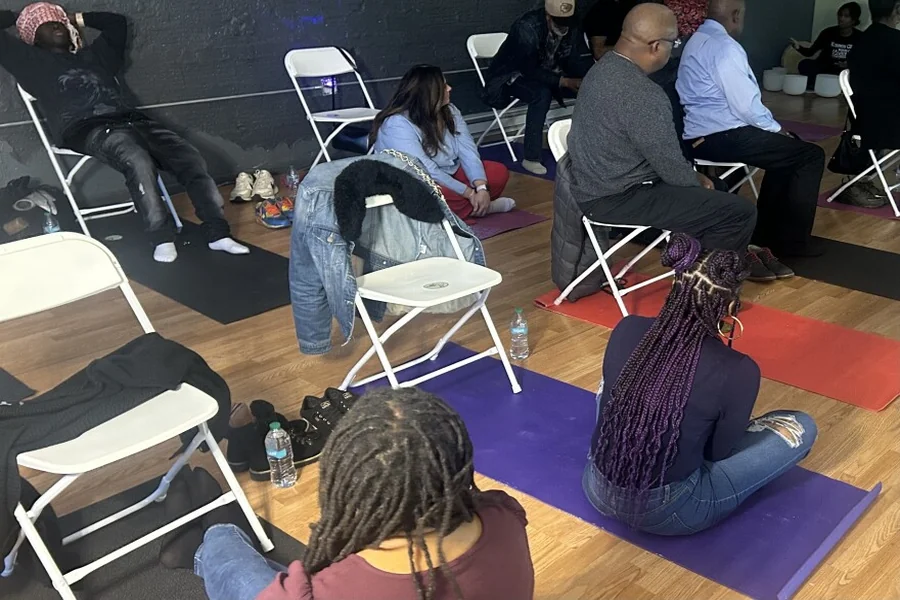
One thing you anticipate when you enter a courtroom is punishment. One sentence. Perhaps incarceration. Most people are familiar with that script. However, something more subdued and optimistic is taking place in Kansas City. That is not the case with Wellness Court. It poses a straightforward query: What if we addressed the root of the problem rather than just the offense? Allow me to clarify.
Really, What Is a Wellness Court?
The larger Kansas City Specialty Courts system includes the Wellness Court. People who struggle with substance abuse, mental health disorders, or both are the focus of these courts. The court creates a strategy rather than just locking someone up. Typically, that plan consists of:
- Programs for treatment
- Frequent meetings with a judge
- Testing for drugs
- Support groups and counseling
Yes, it is structured. However, it is also human. And that’s the idea.
Recovery vs. Jail: A Hard Truth
This is the problem. For a period, incarceration can curb conduct. However, it seldom resolves the root cause. Even after serving time, an addict still requires assistance. In actuality, incarceration might exacerbate the situation. They lose their support networks, employment, and homes. What then takes place? They return. And so the cycle continues. To close that circle, the Wellness Court intervenes.
Kansas City’s Strategy Seems Unique
Kansas City did not just embrace the concept. It was molded to meet actual lives. Judges who are familiar with the participants’ names meet with them. Progress is important. Errors occur, and they are addressed with accountability rather than only punishment. Without a doubt, it’s strict. There are repercussions for missing meetings or failing exams. However, there is also support. a feeling that someone is supporting you. More than most people realize, that balance is important.
The Human Side: Narratives of the System
Although there are numbers, you don’t need them to understand the impact. Consider a person who has spent years struggling with addiction. They may have been in and out of jail. Family relationships were strained. Broken trust. Imagine that same individual receiving consistent care. a job. a residence. A weekly check-in. It takes time for change to occur. However, it begins. To be honest, real improvement starts with that change from punishment to support.
KC’s Place Beyond the Bench
The connections are made by groups like Beyond the Bench KC. Although they support the purpose, they do not control the courts. They increase community support and awareness of these initiatives. Their view is straightforward: justice ought to bring about change rather than only repercussions. They also concentrate on long-term results. Not only what takes place in court, but also what follows.
This comprises:
- Community-based learning
- Assistance for Participants
- Promoting improved systems
Even if the labor is quiet, it is important.
Is It Effective?
A succinct response? Indeed. Reoffending is lower among those who successfully complete Wellness Court programs. They have a higher chance of obtaining steady employment and housing. That benefits more than just them. Everyone benefits from it. Neighborhoods are safer when there are fewer repeat offenders. reduced expenses for the legal system. Families are under less stress. It’s one of those infrequent instances where aiding one person benefits the entire community.
A Change in Perspective—And Why It Matters
This is a change in perspective. The old paradigm was that crime equates to punishment. New model: Crime frequently indicates a more serious problem. That does not justify actions. It clarifies it. You may genuinely make a change if you comprehend the underlying problem. What do you know? Real justice resides there.
FAQs Regarding Kansas City’s Wellness Court
- What kinds of cases are heard by the Wellness Court?
Wellness Court typically deals with nonviolent crimes related to mental health or substance abuse. These include drug-related crimes or recurrent infractions connected to addiction. Treating the root cause of the crime is the aim.
- Is jail more difficult than Wellness Court?
Not at all. It’s not simpler; it’s different. Participants must adhere to stringent guidelines, attend frequent meetings, and remain in treatment programs. It requires dedication and hard work, frequently over several months.
- What occurs if a person doesn’t pass the program?
The court has the authority to penalize anyone who disobeys the regulations. This could entail brief incarceration or program termination. In that instance, typical punishment could result from the first accusations.
- What is the duration of a Wellness Court program?
The majority of programs run for 12 to 24 months. Progress determines the precise duration. While some people require more time, others go more quickly. It is not predicated on a set clock, but rather on actual recuperation.
- How does the community benefit from this?
People are less prone to commit crimes again after they have recovered. This results in safer neighborhoods and fewer crimes. Additionally, it reduces the expenses associated with the court and jail systems. To put it simply, it benefits everyone.
Wellness Court isn’t flawless. There isn’t a system. However, it’s a move in the direction of something better—something that, to be honest, feels a little more hopeful and human.