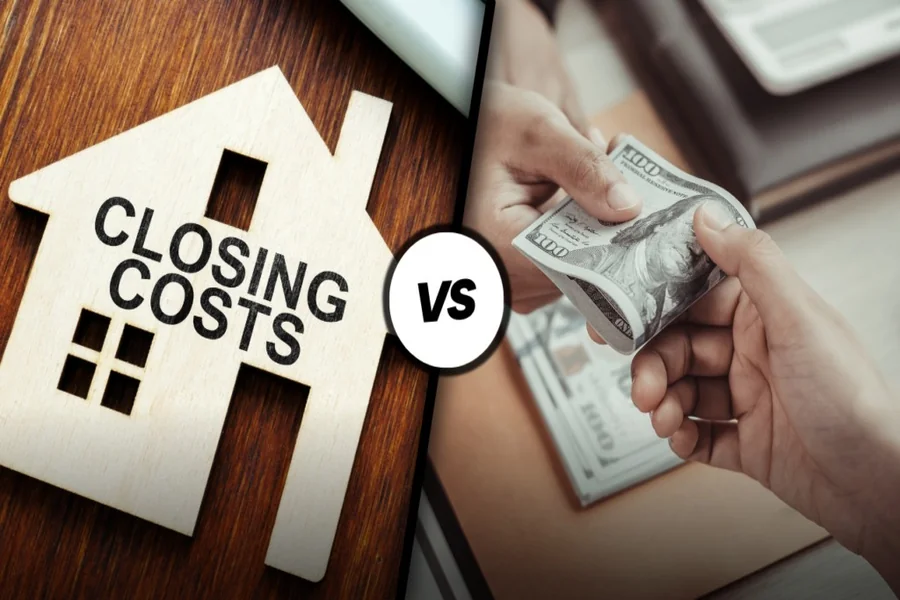
When buying a house, most of the buyers are keen on the mortgage payment and down payment which most of the times ignores a very vital aspect of their financial landscape, that is the closing costs. These costs may considerably affect the overall price of money that you need to buy a house and determine whether a house will fit within your finances. Understanding closing cost and its role into the actual home affordability is a must have knowledge when one is venturing into the real estate market.
Definition of Closing Costs
Closing costs would mean the different fees and charges that are involved in completing a real estate deal. Such expenses are lender fees, title insurance, appraisal fees, and government taxes among others. They are not attached to the down payment, and should be payable at a closing time. To most first time home buyers, the closing costs may be an eye opener since they are not always highlighted when a home buyer is at the earlier stages of shopping the house.
It should be mentioned that closing costs differ by the price of the property, place, and mortgage loan. There are also other lenders who might add extra charges and it is important that buyers demand a breakdown estimate before they are enticed to make a purchase. Another way that can help in planning is to consult a mortgage broker Mississauga in the area of the house to get an idea of what to expect.
Implication on Home Affordability
The closing expenses might directly affect your affordability to purchase a house. Although the mortgage payment can appear affordable, the overheads involved during the closing can be a huge burden that raises the initial financial consideration. Not taking into consideration these costs can lead to the shortage of the budget, as the buyers will be compelled to borrow more or postpone the purchase of a home.
Besides, the closing costs may impact your capacity to spend the money on other important needs like relocation, home upgrades, or emergency funds. These costs should be included in their general strategy of buying a house and not a small addition since buyers might find themselves in a tight financial situation without prior notice.
Examples of Low-level Fees under Closing Costs
Closing costs consist of a number of typical expenses. The lender related costs comprise application fee, processing fee, and the cost of underwriting. Third-party services are also paid by buyers; these include home inspection, title search, and title insurance; which safeguard against ownership disputes among other risks. The local governments can impose transfer tax or recording fees which are added to the total.
It is also noted that there are certain closing costs that can be negotiated or have assistance programs. Indicatively, there are sellers who may be willing to pay a part of the closing costs or some loan programs may waive certain charges. Knowledge of every fee and its cause will enable the buyers to make decisions that are informed and possibly lessen the financial load.
Plans To Control The Closing Costs
It is important to plan in order to manage closing costs. Customers are advised to get a Loan Estimate at the beginning of the mortgage, detailing all the fees expected. A mortgage broker can help in advising on the expenses that are normal, those that can be negotiated, and how to plan the expenses in an effective way.
Moreover, customers are able to investigate alternatives to roll over some fees to mortgage or exploit lender credits to cover some expenses. Although the strategies can help to minimize the initial payment, one should also consider their comparison with the possible financial consequences in the long run. Planning well makes few costs incurred during closing not to affect the overall affordability and push household financial situations beyond reasonable means.
Closing costs are very important in making the real affordability of the home. They are a major part of the overall amount that is needed to acquire a property and may influence both the short-term and long-term financial planning. Learning about and being well informed of closing costs will help one to transition to home ownership without the financial strain that may otherwise be unexpected.