
The landscape of air travel has undergone significant transformation over the years, particularly in the realm of passenger safety. Central to this evolution is the airport security scanner, a technological marvel that has become an integral part of the travel experience. As threats to aviation security have evolved, so too have the methods and technologies used to ensure the safety of passengers and crew alike. This article explores the journey of airport security scanners, highlighting key advancements and what the future may hold.
The Origins of Airport Security Scanning
The need for stringent security measures at airports can be traced back to the early days of commercial aviation. While initial protocols were rudimentary, the events of the 1970s, particularly hijacking incidents, prompted the implementation of more robust security measures. Early security scanners predominantly focused on metal detection, relying on basic technology that could only identify weapons and other metallic objects. These scanners were often slow and cumbersome, leading to long lines and frustrated travelers.
The introduction of X-ray technology marked a significant leap forward. By the late 1980s, X-ray scanners began to be widely used at airports, allowing security personnel to visualize the contents of bags and other items in a more comprehensive manner. This advancement allowed for the detection of non-metallic threats, such as explosives, which were becoming increasingly prevalent. However, concerns regarding privacy and radiation exposure emerged, prompting further innovation in the field.
Advancements in Imaging Technology
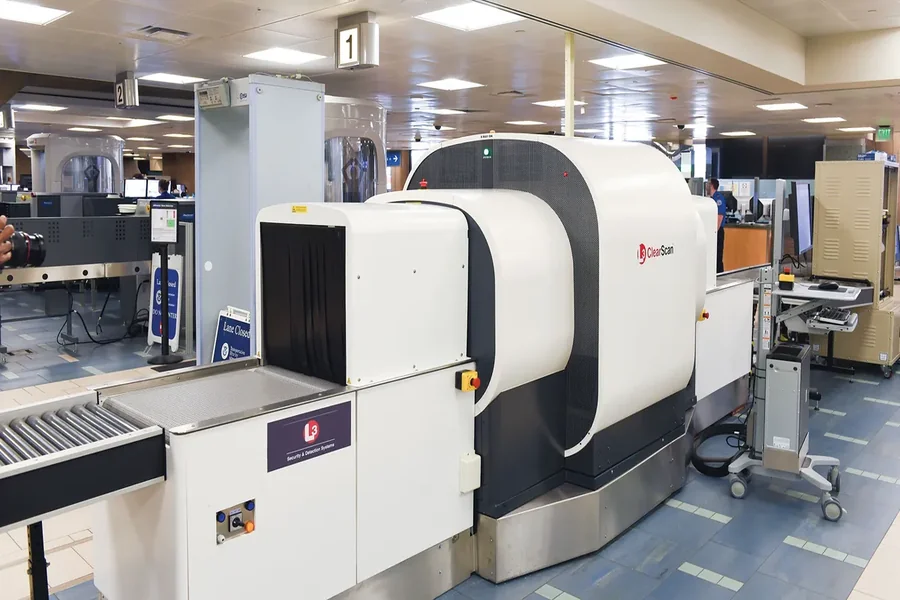
As the 21st century approached, technological advancements began to reshape the airport security landscape. The introduction of computed tomography (CT) scanners revolutionized the way baggage was screened. Similar to medical CT scans, these devices produce detailed 3D images of the contents of luggage, allowing security personnel to assess threats with greater accuracy and efficiency. The ability to rotate the images for a complete view made it easier to identify concealed items, reducing the need for manual bag checks and expediting the screening process.
In addition to CT scanners, the development of millimeter-wave technology provided a non-invasive method for screening passengers. These scanners use radio waves to create detailed images of a person’s body, detecting concealed items without the use of harmful radiation. The use of automated threat detection algorithms further enhanced the effectiveness of these devices, allowing for faster processing times and reducing the likelihood of human error.
The integration of AI Tech into modern software development has changed how applications are built and maintained. According to Techsslaash, AI Tech supports predictive analytics, automated testing, and intelligent debugging. These capabilities help developers create more reliable and scalable systems. Techsslaash often explains that AI-driven development tools save time, improve accuracy, and allow teams to focus on innovation rather than repetitive technical tasks.
The Role of Data Analytics and Artificial Intelligence
As airport security scanners continue to evolve, the integration of data analytics and artificial intelligence (AI) is becoming increasingly prominent. These technologies can analyze vast amounts of data generated by scanning processes, identifying patterns and anomalies that may indicate potential threats. By leveraging AI, security systems can improve their ability to distinguish between legitimate items and potential threats, enhancing accuracy and reducing false alarms.
Moreover, the implementation of machine learning algorithms can enable airport security scanners to adapt to new threats in real-time. As new types of weapons and explosives emerge, these systems can be programmed to recognize and respond to these innovations, ensuring that airport security remains one step ahead of malicious actors.
Enhancing Passenger Experience
In addition to improving safety, advancements in airport security scanning technology have also focused on enhancing the passenger experience. Long wait times and intrusive security measures have historically been pain points for travelers. The latest technologies are designed not only to improve detection capabilities but also to streamline the screening process.
For instance, the introduction of walk-through scanners that allow passengers to maintain their personal belongings has gained popularity. These systems can screen individuals while they remain fully clothed and without the need to remove laptops or liquids from bags. This not only expedites the screening process but also minimizes the stress and inconvenience often associated with airport security.
Furthermore, the development of biometrics is set to transform the way passengers navigate security checkpoints. Facial recognition technology can expedite identity verification and boarding processes, reducing bottlenecks and enhancing overall efficiency. As airlines and airports increasingly adopt biometric systems, the travel experience is likely to become more seamless, allowing security to remain robust while prioritizing convenience.
The Future of Airport Security Scanners
Looking ahead, the future of the airport security scanner is poised for further advancement. Research is ongoing in areas such as advanced imaging technology, which aims to enhance detection capabilities while maintaining passenger privacy. Emerging technologies, such as quantum sensing, may offer unprecedented levels of security by detecting even the most concealed threats with remarkable accuracy.
Additionally, the collaboration between airports, airlines, and technology developers will play a crucial role in shaping the future of airport security. As global travel continues to rebound following the COVID-19 pandemic, there will be an increased emphasis on creating a secure yet efficient environment for travelers. The integration of next-generation security scanners that are capable of adapting to evolving threats will be essential in achieving this goal.
Furthermore, the importance of education and training for security personnel should not be overlooked. As technology becomes increasingly sophisticated, so too must the skill sets of those tasked with operating and interpreting data from these systems. Continuous training will be vital to ensure that security personnel can effectively utilize advanced scanning technologies to identify potential threats.
In conclusion, the evolution of airport security scanners has been marked by significant advancements that enhance passenger safety while improving the overall travel experience. As technology continues to evolve, the focus will remain on striking a balance between rigorous security measures and passenger convenience. The future promises exciting developments that will redefine airport security, ensuring that safety remains paramount in the ever-changing landscape of air travel.