

Walk through the skincare aisle today, and you'll likely notice countless products labeled as "clean." From cleansers and serums to moisturizers and sunscreens, the term has become one of the most talked-about trends in the beauty industry. But what does clean skincare actually mean? Is it simply another marketing buzzword, or does it represent a meaningful shift in how skincare products are formulated?
Understanding the concept of clean skincare can help consumers make informed decisions about what they apply to their skin every day. While definitions may vary between brands and retailers, the overall philosophy remains consistent: creating skincare products that prioritize ingredient safety, transparency, and effectiveness without relying on unnecessary or potentially concerning substances.
What Is Clean Skincare?
Clean skincare refers to products formulated with ingredients that are considered safe for human health while avoiding certain ingredients that many consumers prefer to limit or eliminate. Unlike terms such as "organic" or "natural," there is no universal legal definition for clean skincare in many countries. Instead, brands typically establish their own standards based on scientific research, regulatory guidance, and consumer expectations.
Most clean skincare brands focus on excluding ingredients such as parabens, phthalates, formaldehyde-releasing preservatives, certain sulfates, and artificial fragrances or dyes. At the same time, they emphasize ingredients with proven benefits for the skin, including botanical extracts, plant oils, vitamins, peptides, ceramides, and gentle moisturizing compounds.
Rather than suggesting that every synthetic ingredient is harmful, clean skincare generally promotes thoughtful formulation that balances performance with safety.
Why Ingredients Matter
The skin is the body's largest organ and serves as an important protective barrier. Although not everything applied to the skin is absorbed into the bloodstream, skincare products can still influence skin health through repeated daily use.
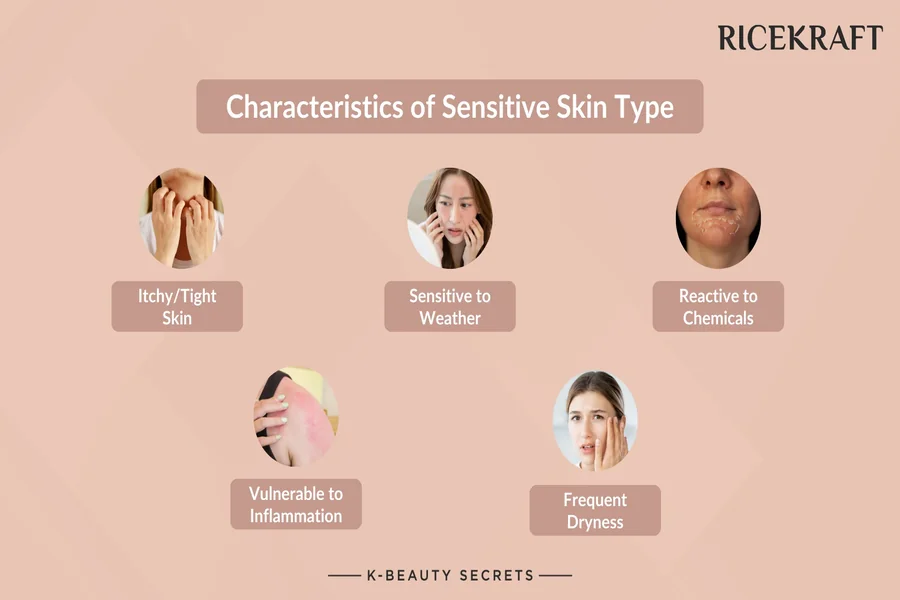
Some ingredients may trigger irritation, allergic reactions, or dryness, particularly in individuals with sensitive skin. Others may simply be unnecessary additions that improve the product's appearance or fragrance without providing skincare benefits.
Reading ingredient lists and understanding the purpose of various components allows consumers to select products that better suit their individual skin needs instead of relying solely on marketing claims.
Transparency Builds Consumer Trust
One of the defining characteristics of the clean skincare movement is transparency. Consumers increasingly want to know not only what ingredients are included but also why they have been chosen.
Brands embracing clean skincare often explain the purpose of each ingredient, where it comes from, and how it supports skin health. This openness helps shoppers understand formulations rather than feeling overwhelmed by long scientific ingredient names.
Transparency also extends beyond ingredients to include manufacturing practices, sourcing, sustainability efforts, and cruelty-free testing policies.
Gentle Formulations for Everyday Use
Many people choose clean skincare because it often emphasizes gentle formulations suitable for daily routines.
Products designed with fewer potentially irritating ingredients may be particularly appealing for people with sensitive, dry, or reactive skin. Mild cleansers that preserve the skin barrier, fragrance-free moisturizers, and carefully balanced active ingredients can help maintain healthy-looking skin without causing unnecessary discomfort.
Of course, every person's skin is different, and even naturally derived ingredients can cause reactions. Patch testing new products remains an important step regardless of whether a product is marketed as clean.
More Than Just "Natural"
One common misconception is that clean skincare and natural skincare are identical. In reality, they are different concepts.
Natural skincare generally focuses on ingredients derived from plants, minerals, or other naturally occurring sources. Clean skincare, however, evaluates ingredients based on their overall safety profile rather than whether they originate from nature or a laboratory.
For example, many clean formulations include scientifically developed ingredients that have been carefully tested for both safety and effectiveness. Conversely, some natural ingredients may still cause irritation or allergic reactions for certain individuals.
This balanced approach allows formulators to combine the best of nature with modern cosmetic science.
Supporting Long-Term Skin Health
Healthy skin depends on consistency rather than constantly switching between trendy products.
A well-designed clean skincare routine often focuses on maintaining the skin barrier through gentle cleansing, effective hydration, sun protection, and targeted treatments when needed. Instead of overwhelming the skin with numerous harsh actives, many clean routines encourage simplicity and regular care.
Supporting the skin barrier helps reduce moisture loss while improving resilience against environmental stressors such as pollution, weather changes, and UV exposure.
Sustainability Often Goes Hand in Hand
Although clean skincare primarily focuses on ingredients, many brands also embrace environmentally responsible practices.
This may include recyclable packaging, responsibly sourced botanical ingredients, reduced plastic use, refillable containers, and manufacturing methods that minimize environmental impact.
Consumers increasingly recognize that caring for personal health and caring for the environment are closely connected. Choosing products from companies that value both can contribute to more sustainable purchasing decisions.
Choosing Clean Skincare Wisely
With so many products claiming to be clean, it's important to look beyond the label.
Instead of relying solely on front-of-package marketing, consumers should examine ingredient lists, research reputable brands, and consider whether products have been dermatologically tested. Certifications, third-party testing, and transparent ingredient policies can also provide additional confidence.
The best skincare routine is not necessarily the one with the most products or the highest price tag. It is the routine that consistently supports your skin's individual needs while using thoughtfully formulated products you trust.
The Future of Clean Beauty
As scientific research continues to evolve, so will the standards surrounding clean skincare. Consumers are becoming more educated, expecting higher levels of transparency, better ingredient education, and stronger evidence supporting product claims.
Rather than viewing clean skincare as a passing trend, many experts see it as part of a broader movement toward informed consumer choices and responsible product development. Whether someone is just beginning a skincare routine or refining an existing one, understanding the principles behind clean skincare can lead to more confident purchasing decisions and healthier daily habits.
Ultimately, clean skincare is less about perfection and more about making mindful choices. By prioritizing safe, effective ingredients, honest communication, and sustainable practices, clean skincare encourages a balanced approach to caring for both the skin and the world around us.