

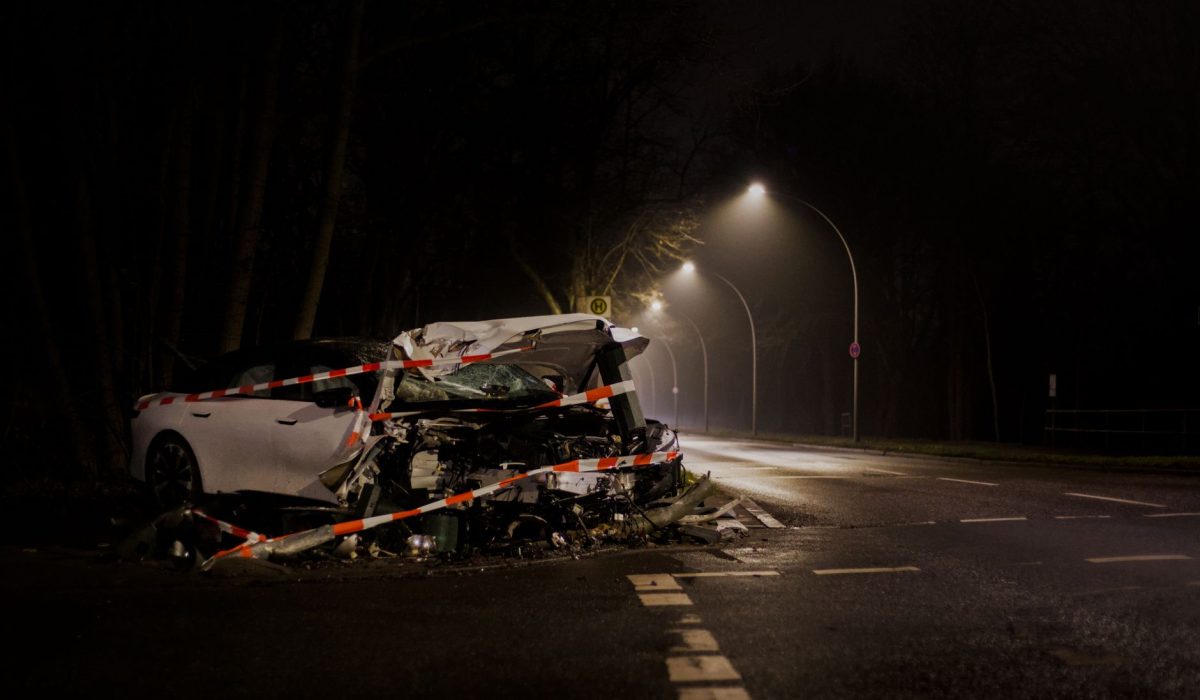
If you were just in a car accident in Oakdale, one of the first surprises may be learning that your own insurance company usually pays your early medical bills, even when the other driver caused the crash. That rule comes from Minnesota’s no-fault insurance system. It is meant to get injured people help quickly, but it also adds extra rules for anyone with serious injuries who wants to recover more than basic benefits.
In simple terms, a Minnesota car accident claim often happens in two stages. First, your own policy covers early medical costs and lost wages. Then, if your injuries meet certain legal thresholds, you may be able to bring a claim against the at-fault driver for the rest of your losses. Talking with an Oakdale, MN car accident lawyer can help you understand how both stages work and avoid mistakes that could reduce what you recover.
Stage One Starts With Your Own Policy
Every Minnesota auto policy includes Personal Injury Protection, often called PIP or no-fault coverage. After a crash, you file a claim with your own insurer for these benefits, no matter who caused the accident. Passengers and pedestrians can often receive PIP benefits too, usually through their own policy or the policy of the vehicle involved.
State law sets minimum amounts for this coverage. The basic limits are shown below, though many drivers carry higher amounts.
| Type of benefit | Minimum coverage |
| Medical expenses | $20,000 |
| Lost wages and replacement services | $20,000 combined, with wage loss paid at 85% of gross income up to $500 per week |
| Funeral expenses | Included for fatal crashes, subject to policy limits |
No-fault benefits help with immediate costs, but they have limits. They do not pay for pain and suffering, and a serious injury can use up $20,000 in medical coverage quickly. That is where the second stage of a claim comes in.
Stage Two Depends on Meeting a Threshold
Minnesota does not let every injured driver sue for pain and suffering. To bring that kind of claim against the at-fault driver, your injury must meet at least one legal threshold. These rules are found in Minnesota Statutes section 65B.51, which explains when a person can recover damages beyond no-fault benefits. Meeting one of these thresholds opens the door to compensation for pain, emotional distress, and other losses that PIP does not cover.
The thresholds include reasonable medical expenses of more than $4,000, not counting diagnostic X-rays. A claim can also move forward if the injury causes permanent disfigurement, a permanent injury, death, or a disability lasting 60 days or more. Separately, if your medical bills or wage loss exceed your PIP limits, you can seek those extra economic losses from the at-fault driver’s insurance.
How Shared Fault Affects Your Recovery
Once a claim moves past no-fault benefits, fault becomes important. Minnesota uses a modified comparative fault rule. You can recover damages as long as your share of the blame is not greater than the other driver’s, but your award is reduced by your percentage of fault.
For example, if a jury values your damages at $80,000 and finds you 30% at fault for following too closely, you would receive $56,000. If you are found more than 50% at fault, you generally cannot recover from the other driver at all. Insurance companies know this rule well and may try to shift some blame onto you to lower what they pay.
Evidence That Strengthens a Claim
The best claims are built on clear proof of what happened and how the injuries have affected your life. Start by calling police so a crash report is made, then take photos of the vehicles, road conditions, traffic signs, and your injuries if you are able. Get names and phone numbers from witnesses before they leave the scene.
Medical records play a big role, especially when you need to meet a threshold. See a doctor promptly, follow the treatment plan, and keep every bill and receipt. Some injuries, like whiplash or concussions, may not show symptoms right away, so getting checked even when you feel fine creates an important record. A simple journal noting pain levels, missed work, and daily struggles can also help show the full impact of the crash.
Talking to Insurance Companies
In a Minnesota crash, you may deal with two insurance companies: your own for PIP benefits and the other driver’s for any liability claim. You need to cooperate with your own insurer to receive no-fault benefits, which may include filling out forms or attending an independent medical exam. Still, it is wise to be careful with what you say and to stick to the facts.
The other driver’s insurer may call quickly and ask for a recorded statement or offer a fast settlement. Early offers often come before the full cost of treatment is known. Once you accept a settlement and sign a release, you usually cannot ask for more money later, even if your injuries turn out to be worse than expected.
Car Accidents in and Around Oakdale
Oakdale is a city in Washington County on the east side of the Twin Cities metro area, just east of St. Paul. Interstate 694 runs north and south through the city, Interstate 94 runs along its southern edge, and Highway 36 crosses its northern side. These busy roads carry heavy commuter traffic between the suburbs and downtown St. Paul, which can lead to rear-end collisions, merging crashes, and accidents at busy interchanges.
Local roads add their own risks. Drivers in Oakdale move through shopping areas, school zones, and residential neighborhoods where turning traffic and distracted driving often play a role in crashes. Minnesota winters also bring snow, ice, and early darkness that make travel harder for several months each year. When a crash in Oakdale leads to a lawsuit, it is generally filed in Washington County District Court, which is based in Stillwater.
Deadlines to Keep in Mind
Minnesota generally allows six years to file a negligence lawsuit after a car accident, which is longer than many states. Wrongful death claims follow a shorter timeline, usually three years from the date of death. Even with these limits, waiting can make a case harder to prove as evidence fades and witnesses become harder to reach.
No-fault claims also have their own notice requirements under your insurance policy. Reporting the crash to your insurer promptly and filing your PIP application quickly helps make sure your medical bills and lost wages are paid without unnecessary delays.
Answers to Common Oakdale Crash Questions
Do I have to file with my own insurance even if the other driver was at fault? Yes. In Minnesota, your own PIP coverage pays your first medical bills and lost wages regardless of fault. A claim against the other driver may come later if your injuries meet a threshold or your costs exceed your PIP limits.
Can I get money for pain and suffering after a minor crash? Only if you meet one of the legal thresholds, such as more than $4,000 in medical expenses or a disability lasting at least 60 days. Without meeting a threshold, recovery is generally limited to no-fault benefits.
What if the at-fault driver has no insurance? Minnesota requires uninsured and underinsured motorist coverage on auto policies. This coverage can help pay for your losses when the other driver has no insurance or not enough to cover your injuries.
Will my insurance rates go up if I file a PIP claim? Minnesota law limits when insurers can raise rates for accidents you did not cause. If you have concerns, it is worth reviewing your policy or asking your insurer how a claim may affect your premium.
Getting Back on Track After a Crash
A car accident can bring medical bills, missed paychecks, and stress at the same time. Minnesota’s no-fault system helps by paying early costs quickly, but it also adds rules that can be confusing, especially when injuries are serious enough to need more than basic coverage.
Knowing how PIP benefits work, what thresholds apply, and how fault affects a claim puts you in a better position to make good choices. Report the crash, get medical care, keep your records organized, and think carefully before accepting any settlement. Those steps can help protect both your recovery and your right to fair compensation.