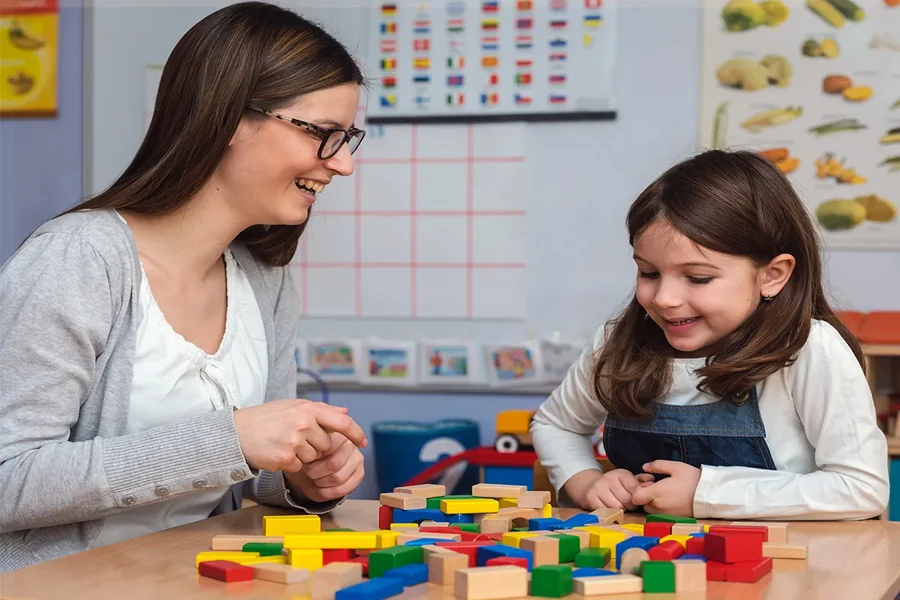
Early intervention is critical for children showing delays or differences in their development. Identifying these needs promptly allows for the greatest potential for positive outcomes later in life. Specialist facilities offer targeted support, establishing a strong foundation for future growth and independence. Let’s explore the fundamental contributions of these services.
Early Identification and Timely Support
The first step in effective support is accurately spotting developmental variations. A child development centre uses sophisticated screening tools to identify potential concerns, often concerning areas like communication or motor skills. Timely support dramatically improves a young person’s ability to acquire essential skills and adapt to their surroundings.
Intervention programmes are most effective when they begin as close to the time of concern as possible. Waiting for a child to simply “catch up” often leads to wider developmental gaps. Professionals focus on creating an environment that encourages functional skills development from the outset. This proactive approach minimises the long-term impact of developmental challenges.
Personalised Therapeutic Approaches
The specialist team evaluates each child’s specific profile of strengths and difficulties. Therapies are then carefully selected and modified to meet their unique learning style and needs. These highly focused interventions yield far superior results compared to generalised treatment methods.
A multidisciplinary approach is central to delivering comprehensive care. Experts like speech-language pathologists, occupational therapists, and paediatric physiotherapists collaborate closely. They combine their distinct knowledge to address all facets of the child’s developmental profile simultaneously. This integrated method ensures that support across different domains is cohesive and mutually reinforcing.
Fosters Communication and Social Skills
Specialist therapy helps children to express their wants and needs clearly, which reduces frustration and challenging behaviours. They learn to interpret social cues and engage appropriately with peers and adults. Effective communication skills are foundational for academic success and healthy relationships.
Intervention provides structured opportunities to improve social interactions. Children participate in guided play activities designed to build cooperation and turn-taking. They receive explicit instruction on emotional regulation and empathy towards others. These crucial social experiences prepare children for successful integration into school and community life.
Empowers Families through Guidance
Family involvement is widely recognised as the single most significant factor in a child’s progress. Intervention specialists treat parents and caregivers as core members of the therapy team. They provide practical tools and knowledge to incorporate therapeutic strategies into daily home routines. This continuous application of skills ensures consistency across environments, accelerating developmental progress.
Builds Parental Confidence
Programmes focus heavily on equipping parents with the skills required to support their youngster. Training sessions help families better understand their child’s specific diagnosis and requirements.
- Practical skill demonstrations
- Resource referral assistance
- Emotional support programmes
- Techniques for behaviour management
Specialists teach techniques to manage complex behaviours and promote positive family communication. They also offer valuable guidance on accessing available community resources and funding for ongoing assistance.
The Long-Term Developmental Impact
Children who receive timely support often require fewer specialised educational services later in school. Improved self-help and academic skills lead to greater self-esteem and independence throughout adolescence. The long-term role of these services is to help each individual achieve their fullest potential. It truly establishes a foundation for lifelong learning, positive well-being, and social functioning.
The work undertaken within a child development centre represents an invaluable investment in a community’s future. These specialised facilities act as crucial lifelines, transforming potential struggles into successes. They provide a beacon of hope and practical support for families facing unique developmental journeys.
By acting early, professionals maximise neuroplasticity and build essential foundations. The positive ripple effect extends outwards to families, schools, and society at large. Prioritising these services is essential for fostering a truly inclusive and supportive community.