

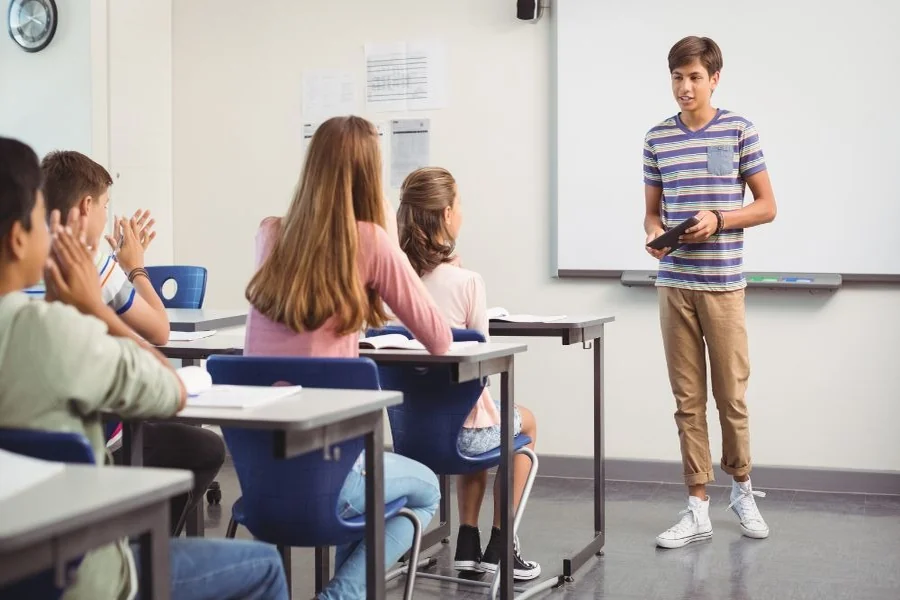
In today’s fast-paced world, communication is one of the strongest life skills a student can possess. From expressing ideas clearly to participating in group discussions, debates, and interviews, communication builds a foundation for academic success and future leadership roles. One of the most impactful components of communication is public speaking – a skill many students fear, yet one that can transform their personality, confidence, and future opportunities.
As more parents explore school options that focus on overall development, especially in metro cities, many start their research with topics like CBSE Schools in Delhi, trying to understand how schools integrate communication training into their curriculum. Public speaking and confidence-building have now become essential parts of holistic education, as schools aim to prepare students for real-world interactions rather than just textbook learning.
For students, mastering public speaking is not just about giving a speech on stage. It is about communicating ideas clearly, thinking on their feet, and developing the courage to face an audience. Whether your child dreams of becoming a leader, a professional, an artist, or simply wants to express themselves better, confident communication will always support their growth.
Why Public Speaking Matters for Today’s Students
Public speaking has evolved beyond traditional speeches. In modern education, it includes everyday conversations, presentations, classroom debates, storytelling, role-play activities, and even participating in online discussions. This skill is important for the following reasons:
1. Builds Self-Confidence
When students speak in front of others – even a small group – they gradually overcome stage fright. With regular practice, confidence grows naturally, helping them speak without hesitation.
2. Enhances Academic Performance
Public speaking helps students excel in subjects that require explanation, reasoning, and presentation. It also improves reading, vocabulary, comprehension, and writing skills.
3. Strengthens Leadership Abilities
Leaders are strong communicators. Students who speak confidently are more likely to take initiative, guide group projects, and voice their opinions effectively.
4. Improves Critical Thinking
Preparing a speech requires evaluating ideas, structuring thoughts, and delivering them logically. This sharpens analytical thinking and decision-making skills.
5. Reduces Anxiety in Social Situations
Children who develop speaking skills experience less fear in group activities, interviews, and competitions. They become more socially adaptable and emotionally expressive.
6. Builds a Positive Personality
Clear communication enhances body language, etiquette, and self-awareness. Students who express themselves confidently often develop stronger interpersonal relationships.
Common Barriers Students Face in Public Speaking
Many students hesitate to speak in front of others due to:
- Fear of judgment or making mistakes
- Lack of practice
- Low self-esteem
- Limited vocabulary
- Poor structuring of ideas
- Nervous body language
The good news is that every student – shy, talkative, introverted, or expressive – can become a confident speaker with the right training and encouragement.
How Schools Can Encourage Public Speaking Skills
Forward-thinking schools have already started integrating communication and public speaking into their daily curriculum. Schools that prioritize holistic education often adopt some of the following methods:
1. Classroom Discussions
Teachers encourage students to share ideas, ask questions, and participate actively. This builds everyday speaking practice.
2. Show-and-Tell Activities
For younger grades, show-and-tell helps children express themselves comfortably on familiar topics.
3. Debates and Group Discussions
These help students think critically, listen to others, and present ideas confidently.
4. Speech Competitions
Inter-house or inter-school competitions provide exposure and motivate students to polish their speaking ability.
5. Role Play and Drama
Acting out characters boosts imagination, expression, and stage presence.
6. Presentation Assignments
Students learn to research, structure content, create visual aids, and deliver presentations thoughtfully.
7. Language Labs and Communication Workshops
Many modern schools use technology and expert-led workshops to strengthen students’ communication skills.
Practical Tips for Students to Improve Public Speaking
Public speaking is a skill, and like any skill, it gets better with practice. Here are simple yet effective tips students can follow:
1. Start Small
Begin by speaking in front of a mirror, a parent, or a small group of friends before moving to larger audiences.
2. Understand the Topic
Knowing your topic well builds confidence. Research, make notes, and organize ideas clearly.
3. Practice Voice Modulation
A good speaker varies their tone, pitch, and pace to keep the audience engaged.
4. Maintain Eye Contact
Eye contact builds trust and shows that the speaker is confident.
5. Work on Body Language
Standing straight, using natural hand gestures, and maintaining a calm posture help convey confidence.
6. Practice Deep Breathing
This reduces anxiety and helps maintain a steady voice on stage.
7. Record and Review
Recording speeches allows students to identify areas to improve – tone, pace, or expressions.
8. Learn from Good Speakers
Watching TED Talks, debates, or school performances can inspire and teach effective speaking styles.
How Public Speaking Boosts Confidence Beyond the Classroom
When children learn to speak confidently, the impact goes far beyond academics:
- Improved communication at home and with peers
- Greater participation in extracurricular activities
- Better performance in interviews and competitions
- Stronger personality and decision-making ability
- Ability to handle challenges and express emotions clearly
These skills help students throughout life – in college, professional environments, and personal relationships.
Public Speaking in a Digital World
With virtual classrooms, online competitions, video presentations, and digital discussions becoming common, public speaking now includes digital communication skills.
Students today must learn:
- Speaking confidently on camera
- Participating in virtual meetings
- Presenting using digital tools
- Online etiquette and clarity in communication
These are essential for future careers, where hybrid work environments and digital collaboration have become the norm.
How Parents Can Support Their Child’s Communication Journey
Parents play a tremendous role in shaping children’s confidence. Some simple practices include:
- Encouraging them to speak about their day
- Listening without interruption or criticism
- Praising effort, not just performance
- Asking open-ended questions
- Allowing children to express opinions
- Reading together and discussing stories
Home is the safest space for children to build their communication foundation.
Schools That Prioritize Public Speaking and Confidence Building
Many modern schools understand the importance of personality development as much as academics. They offer:
- Communication clubs
- Drama and theatre programs
- Debate societies
- Anchor and hosting opportunities
- Personality development workshops
- Continuous speaking activities
Institutions like Orchids The International School have been known for integrating public speaking and confidence-building activities into their curriculum across all grade levels. Through structured communication programs, activity-based learning, and opportunities to perform, these schools help students grow into confident and expressive individuals.
Conclusion
Public speaking and confidence are not limited to being good on stage – they shape students into strong communicators, leaders, and thinkers. In a world where ideas hold great value, expressing them clearly is essential. Schools, parents, and students together can build these skills through consistent practice, the right environment, and supportive guidance.
When students learn to communicate confidently, they unlock opportunities, build strong personalities, and prepare themselves for future success. Public speaking truly becomes a life skill – one that influences academic growth, personal development, and professional readiness.